

 Last updated Aug 6, 2025




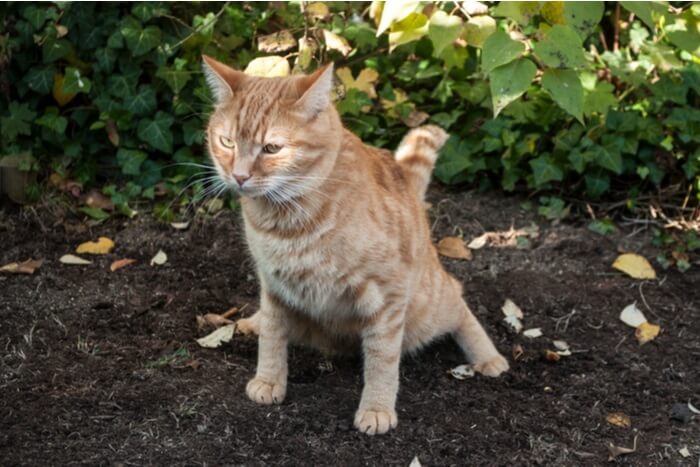
If your cat has started urinating blood (officially termed ‘hematuria’), it’s likely you’re worried. You should know what peeing blood can mean, how to treat urinary problems in cats, and when to contact the vet so that you can give your cat the best care.
Quick Overview: Blood In Cat Urine (Hematuria)
 Urgency: High
 Requires Vet Visit: Yes
 Seen in Cats: Frequently
 May be Linked to: Urinary tract infection, feline idiopathic (interstitial) cystitis, bladder stones, bladder tumors, kidney stones, kidney infection, kidney cancer.
 Treatment Options: Antibiotics, pain medication. Surgery for bladder stones. In cases of cancer, surgical or medical therapy may be available depending on the tumor type.
Causes of Blood in Cat Urine
Your cat’s urinary system starts at the kidneys. Urine produced here moves through the ureters and is stored in the bladder until it is voided through the urethra and into the litter box.
Things can go wrong with any part of this system to cause blood in your cat’s urine. The most common problems occur in the lower urinary tract (the bladder and urethra) and form a spectrum of diseases called ‘Feline Lower Urinary Tract Disease’ or ‘FLUTD’.
The Kidneys and Ureters
The kidneys and ureters are a rare cause of feline hematuria. Kidneys suffering from failure can bleed, especially when the cat also has high blood pressure. Cats can also suffer from kidney and ureter tumours. Compared to hematuria from the bladder or urethra, bleeding from the kidneys and ureters is rare.
The Bladder
Most possible causes of blood in your cat’s urine happen in the bladder and may include bladder infections, bladder stones, or even (rarely in cats) bladder tumors. However, the most common cause of blood coming from the bladder is Feline Idiopathic Cystitis, or ‘FIC’.
Another very common term sometimes used for this condition is Pandora Syndrome. Cats with Pandora Syndrome often have additional signs and symptoms affecting other organ systems besides just their urinary tract. FIC refers more to the urinary specific signs of Pandora Syndrome.
Feline idiopathic cystitis can only truly be diagnosed when all the other causes of cystitis (bladder inflammation) have been ruled out (like an infection), but it’s often presumed in young and otherwise healthy cats because it’s so common.
While it’s not clear in every case, we do know that stress plays a large factor. FIC is more common in indoor, overweight cats on a dry food diet, though it can affect any cat. While male cats most often have the more serious complications because their urethra is so long and narrow, leading to a blockage, female cats can suffer from FIC and Pandora Syndrome as well.
A very complicated response by the body to stressors can lead to a loss of the protective structure of the bladder wall lining, especially glycosaminoglycans. This, combined with stimulation of nerves in the bladder to release neurotransmitters that cause inflammation ultimately causes these lower urinary tract issues in an otherwise physically healthy cat.
Bladder infections do occur in cats, but much less commonly, especially in young cats. Normal feline urine isn’t a good place for bacteria to thrive. An infection often has an underlying cause such as diabetes or renal disease, where the urine is changed to the benefit of the bacteria.
Stones and crystals can also form in your cat’s bladder.
Whilst crystals pass without harm, stones can cause major irritation and inflammation, and pave the way for more serious infection. The cause of bladder stones is not fully understood, but a combination of dietary factors (such as diets with high mineral content), a sedentary lifestyle, obesity, and concentration of urine can lead to disease.
The Urethra
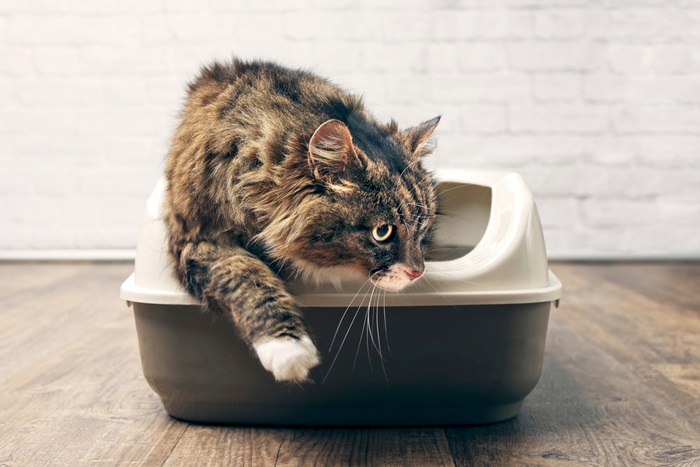
Blood in cat urine is most often caused by issues in the lower urinary tract (from the bladder to the urethra), but it may also stem from the kidneys and ureters.
The urethra is the tube that connects your cat’s bladder to the outside world, therefore anything that goes wrong with the bladder usually affects the urethra too.
The most common things to go wrong with the urethra are inflammation caused by FIC or by the movement of bladder stones or ‘uroliths’. Infections are also possible, but as with bladder infection, urethral infection is less common.
Irritation of the bladder by crystals or stones or by the inflammation caused by FIC can lead to excess mucus secretion by the bladder wall.
The urethra may then become blocked by a stone, a plug of mucus (often mixed with crystal material), or by severe inflammation, stopping the flow of urine altogether. This is an emergency, and your cat will likely be very uncomfortable, straining, crying, and visiting the litter box but producing nothing.
A ‘blocked’ cat can become fatal within a few hours. If you see these signs you should visit the nearest open vet as soon as possible. Any cat visiting the litter box over the course of an hour but producing no urine should be considered a medical emergency. You should not wait longer to see if this gets better on its own or assume it is ‘just’ a UTI that can wait until tomorrow.
What To Do if Your Cat Has Blood in Their Urine?
If you notice your cat has blood in their urine, it’s time to talk to your vet. If possible, you can try getting a sample of the urine to take for testing.
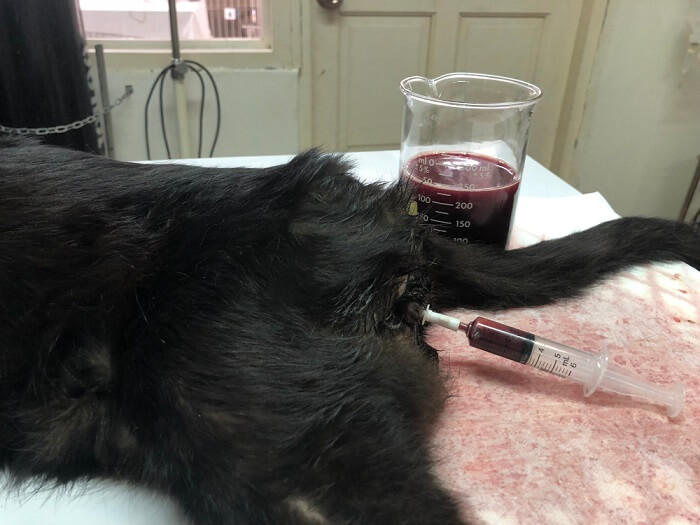
This can be done by using a special non-absorbent cat litter, like Nosorb, in a clean litter box. Alternatively, if your cat has peed in the bath or on a tiled floor, you may be able to suck it up with a pipette or syringe. If you can’t get a sample, don’t worry- your vet should be able to get one for you.
The best method of urine collection is to have your vet collect a sample from the bladder using ultrasound guidance. This provides both a non-contaminated sample, and allows your vet to look at the bladder for wall thickening, growths, and the presence of crystal sediment or stones.
As long as your cat is producing urine, try to get an appointment within the next 24 hours, as many conditions causing blood in the urine of cats are painful. Don’t wait if your cat is unable to urinate or if it’s hard for you to tell.
Your vet will want to examine your cat and feel their bladder. If this is the first time your cat has had this problem, it is still common to check for signs of infection or more serious concerns with the urinary tract.
If an infection is ruled out and there is no suspicion for a blockage, you and your vet will need to discuss whether to investigate further, or whether to treat empirically for FIC. Whether this is appropriate will depend on your cat’s age, gender, and other symptoms.
Further investigations may involve more urine tests, a more thorough ultrasound exam, blood tests, or x-rays.
Treatment for Urinary Tract Disease
Treating blood in your cat’s urine should address the underlying cause of the hematuria. For cats with a urethral blockage, treatment is urgent and involves catheterization.
The exact treatment your cat undergoes will depend on their symptoms and final diagnosis. Idiopathic cystitis has no specific treatment but there are approaches that help.
FIC cats are often painful, so pain medication is always a part of a treatment plan. Some cats may benefit from prazosin which can help with urinary straining, though it is not appropriate in all cases. Herbal supplements are available that may help the bladder lining, but most of these have little clinical evidence to back their use.
Since FIC is associated with stress, calming supplements may be of use. Cats with chronic recurrence or who exhibit other signs of stress behavior (or meet further criteria for Pandora Syndrome) may benefit from prescription behavioral medications.
Environmental modification to help with environmental stress has been established as a core part of therapy for Pandora Syndrome cats, of which FIC is a part. Called Multimodal Environmental MOdification (MEMO), this involves ensuring the right number of litter boxes in the home, ensuring adequate personal space/territory, adequate play time and sources of enrichment, and eliminating situations or sources of conflict in the home.
Of course, if your cat is suffering from another type of urinary tract disease, treatment might differ. Cats with infections, for instance, will need antibiotics, as well as treatment for an underlying cause if present. Cats with urinary stones often need a special diet to help prevent further crystals in the urine. Bladder stones in cats often need to be removed surgically.
Cats with a blocked urethra will need ‘unblocking’ urgently- by passing a urinary catheter under a general anaesthetic. And cats with bladder tumours may have chemotherapy or surgery as an option- although whether this is appropriate for your cat is a decision for you and your veterinarian to make together.
While many causes of seeing blood in your cat’s urine are not a true emergency (though because of discomfort should be seen by a vet same day or next day), if your cat is not producing urine and a blockage may be present, this is a true emergency that should not wait.
Cats with a urinary blockage can develop severe illness and even die within 24-48 hours if their blockage is not relieved and further care is not provided. If there is any concern your cat may not be able to urine (behavior such as returning to the litter box multiple times with no urine clump, licking their private areas excessively, and vocalizing) call your vet immediately or take your cat to the nearest veterinary emergency center as soon as possible.
While not often appreciated (because it may be hard to see and your cat’s behavior may not change), cats with underlying chronic kidney disease may have blood in their urine. This often may be faint pink tinge, and may not be seen every day. Ruling out other causes (like a UTI) is still important.
A primary hematuria from underlying kidney disease has no specific therapy beyond traditional therapy for kidney disease. These cats at least do not appear to have a significant degree of discomfort or change in their urinary behavior (separate from larger volumes of urine and needing to go more often from kidney disease).
In all cases, increasing your cat’s water intake is an important part of treatment. You can do this by switching your cat to wet food, by adding water to your cat’s dry food, and by encouraging drinking using a variety of bowls and fountains scattered throughout the house.
There is some new evidence that suggests that ‘water supplements’ may increase hydration in cats too. There are many options now available, make sure to discuss them with your vet.
Also Read: How Much Water Should a Cat Drink?
Conclusion
Urinary tract disease is very common in cats. Many urinary conditions like these can appear very similar to one another. It’s important to never make assumptions and always have your vet determine the undelrying cause, supported by appropriate imaging and urine testing.
Whilst all parts of the urinary system can be affected, the most common cause of blood in the urine in cats is idiopathic cystitis, or FIC. Cats with FIC are prone to recurrent attacks, and it can be painful. Knowing the signs, and knowing when to take your cat to the vet, is the key to fighting this painful condition.






My cat started fur pulling and made her bottom half naked and it was classed as stress so they gave us gabapentin and a calmer. Next time this happened she had blood in the urine and they advised the stress has caused her irritation and gave her steroids. We have cat calming plugs in the house and it has flared up again, with the same symptoms . I am guessing this could end up being a regular thing. Have to say this cat does not look stressed she is the little terror of the house, she stresses everyone else out lol
Hello, My old siamese had a problem with blood in her urine a few years ago. She was treated with abx, and other than a few loose stools she seemed fine. Her doctor said the urine culture was clean. Now she’s got blood in her urine again. She was given abx again, and the bleeding stopped. When the abx were done, she started bleeding again within a day or two. The doctor once again said the urine looked ok during the follow up. Then, the blood showed back up and she is going in tiny amounts. What to do?
Hi Dana, unfortunately, this is something that you will need to discuss with your vet, as they have a better understanding of your cat’s unique situation and needs. Has she received a diagnosis of urinary tract infection based on a urine culture, or is there another diagnosis? This will guide the appropriate treatment path for your cat.
my girl cat is bleeding once and awhile what is ther problem
Hi there. There are a lot of potential issues at play—sounds like it could be cystitis, but I would advise a trip to the vet.
My cat has had FIC for 6 years. It first developed after a move with many new noises and stressors. After moving again that same year the bleeding episodes eventually stopped. She had none for a couple of years then it started again for no apparent reason and was a monthly occurrence for almost a year. Now it is sometimes even more often than once a month. A couple of times she has repeatedly peed outside of her box with no signs of blood but is now bleeding in her urine again. I have given her gabapentin (during flare ups) and urinary tract canned food for years. It is a mystery that it is so regular now after coming to a stop previously.I have also used Feliway sprays and diffuser with no change plus calming treats periodically. What else can I do for her diet?
Hello Rae, thanks for the comment. This is quite a tricky question, and I’m not sure that I have the expertise to give you a proper answer. It sounds like you’re doing everything you can to get this under control. A talk with a veterinarian may be in order. Apologies for the lack of a concrete answer! Hope your cat feels better soon.
Thanks Mallory,
Unfortunately the vet has only prescribed the urinary tract food, including canned food to add moisture to her diet, and the gabapentin to help with the pain during the episodes. We have been to 2 different veterinary offices but the vets were already at a loss for what else to do before the episodes became monthly and predictable. Thanks for your response anyway.
There now are cat litters that show whether there is blood in the urine. i recently purchased Pretty Litter and it immediately turns pink. or even red, when there is blood in the urine.
Hi Judy,
My car just started taking medication for urine infection, he is now passing blood is this normal?
I am very concerned
Hi Judy,
Any time you see blood in the your cat urine is a red flag and a cause for concern, your cat most likely needs to see a vet so we recommend to consult with your vet on how to best handle the situation.
How long does it take for Antibiotics to take effect on cats ? Mine has been 3 days?
It depends on the type of antibiotic, but they will generally start having an effect within the day, and you should start seeing results within several days. Most vets will recommend 7-14 days of antibiotic therapy.
I’m curious as to how can you tell if there is blood in the urine when the cat uses a litter box and it mixes with the litter.
Hi Judy, good question! While blood is sometimes apparent, you’re right—there are occasions when you won’t be able to see it after your cat covers their waste. It’s just a matter of catching it at the right place and time.
I found that using a piece of toilet tissue, dabbed on the littler can show if there is blood in the cats urine, – but if this is the case, then a colletion is necessary to take to the vet immediatly – you can collect by lifting its tail a little and catching in a small plastic container, only a little is required ( approx) 1 tablespoonful