
 Last updated Nov 12, 2025




Kirsten McCarthy / Cats.com
We all want our cats to be healthy and happy. This includes making sure our cats are a healthy weight for their size. It can be difficult to know how much to feed your cat and how to stop them from becoming overweight or too thin. This is especially true when their fluffy coats get in the way of revealing their true size. A cat that is suddenly losing weight may seem concerning.
If your cat is losing weight, it could be for many reasons. Weight loss in cats can be as simple as the wrong food, or intestinal worms. Occasionally though, it can also indicate more life-threatening causes, such as cancer or diabetes.
It’s important to know how to monitor your cat’s weight, and when veterinary intervention is needed. Let’s take a look at what to do when your cat is losing weight.
Signs Your Cat Is Losing Weight
A cat’s weight can be difficult to judge visually. With their fur mostly concealing their bodies, gradual weight loss can be especially tricky to spot. Being aware of your pet’s weight is a good habit to get into, so here are some easy methods to try.
Condition
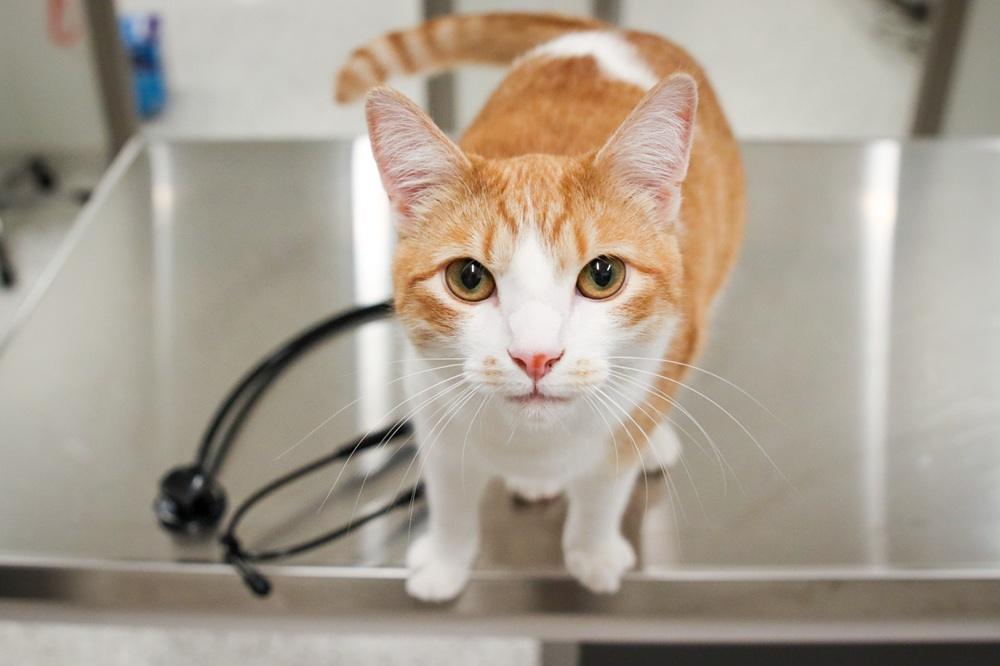
Knowing what is considered normal and healthy for a cat’s body size and shape is a good first step to assessing your own cat’s weight and health. Kirsten McCarthy / Cats.com
Pay attention to your cat’s body condition. You should be able to feel the ribs when you stroke their sides firmly, but also feel a covering of fat. Their tummy should tuck up towards the pelvis (a bit of saggy skin between the hindlimbs is normal) and if you look from above, the waist should be seen as a small indent. As cats become underweight, their ribs and spine become obvious, the waist becomes very distinct, and their tummy has a very tucked-up appearance.
Actual Weight
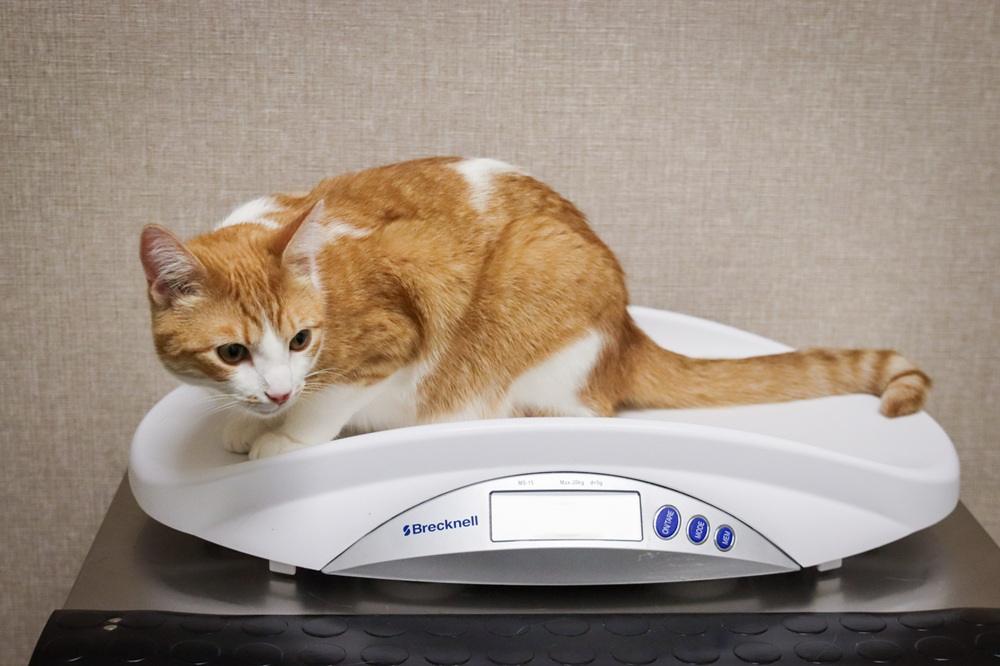
If you can weigh your cat regularly, this is a very accurate way of keeping track of any loss or gain. You will need fairly accurate scales, as cats are quite small, meaning that even tiny discrepancies have more impact. One easy way is to weigh yourself first, then weigh yourself whilst holding your cat.
You can then subtract your weight from the total, leaving your cat’s weight. It is not necessary to weigh your cat every day: every few months is fine if there are no concerns. If you think your cat is losing weight then try and weigh weekly for a few weeks so see if your suspicions are correct.
Other Signs
If you are having trouble weighing your cat, you can always take them to a veterinarian for a check-up. You may also want to look for other signs that may accompany weight loss:
- Change to appetite or thirst
- Vomiting
- Diarrhea,
- Low energy
- Poor coat condition
- Drooling
- Bad breath
Causes Of Weight Loss In Cats
There are many reasons why your cat may be losing weight. Some are more serious than others. Many of these health concerns require veterinary intervention, so if you notice any unintentional weight loss in your cat it is best to seek professional advice.
1. Dietary Intake

Making sure that your cat is getting the right food and the right amount of food is the first step in making sure your cat is a healthy weight. Kirsten McCarthy / Cats.com
The simplest reason your cat is losing weight is that they are not eating enough nutrients to maintain their condition. This may be due to another pet in the household stealing food, or restricting access to the food bowl.
It could also be due to a change in cat food brands. Different brands require different amounts to be fed. Also, irregular mealtimes or poor-quality ingredients can contribute to weight loss. Check that your cat is on a good-quality, complete, and balanced cat food suitable for their life stage, and that they have clear access to the food.
2. Stress
Cats can suffer from anxiety due to a variety of reasons: a new pet or baby in the house, conflict with another cat, loud noises, or building work, to name a few. Stress can manifest in multiple ways in cats – some may hide away, others may urinate outside the litterbox, and others may become destructive or aggressive.
Losing interest in food, or spending all their time hiding and therefore not eating is a fairly common presentation of anxiety in cats, and the consequence, if this behavior continues, is gradual weight loss.
3. Intestinal Parasites
Internal parasites such as roundworms and tapeworms can cause weight loss in cats, often alongside an increase in appetite, bloating and sometimes vomiting or diarrhea. Worms can be passed from a mother cat to her kittens, ingested via hunting prey, from fleas, or brought in from the environment.
They can affect both indoor and outdoor cats. Sometimes, live worms or eggs can be seen in cat poop, but often this only occurs with high levels of infection. Your veterinarian can look at your cat’s feces under a microscope or send it to a lab too look for evidence of parasites, and there is a multitude of options for treatment.
4. Dental Problems
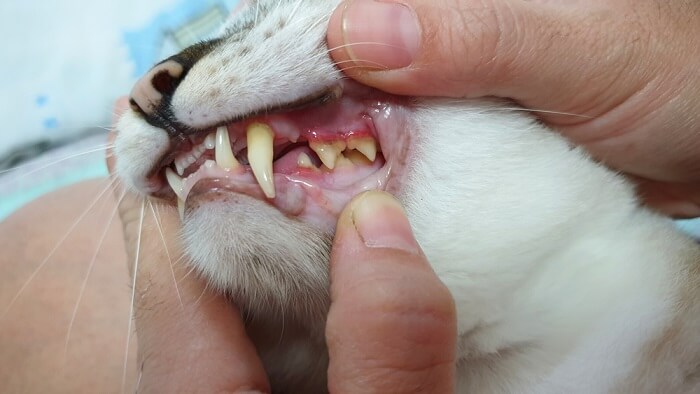
Keeping an eye on your cat’s dental health is an important aspect of pet care. RJ22 / Shutterstock.com
Cats have a strong survival instinct and often will continue to eat despite having problems with their teeth or gums. However, dental pain will naturally cause a drop in eating behavior, and can also lead to food dropping out of the mouth as the cat tries to eat, or not being properly chewed. Dental disease is common in cats, and many older cats will suffer from some degree of difficulty.
5. Hyperthyroidism
Mostly seen in older cats, an overactive thyroid gland increases a cat’s metabolic rate, leading to weight loss. The increase in thyroid hormone also causes an increased appetite and thirst, an increase in urination, poor coat condition, and a variable degree of hyperactivity. Cats can be diagnosed with a blood test.
6. Diabetes
The most common symptoms of diabetes in cats are increased thirst and urination; however, weight loss is also a frequent sign. Their appetite is often poor, and they may become acutely unwell with vomiting and sudden lethargy if they go into a diabetic crisis. This condition is discovered by looking for abnormal glucose elevations in blood work and urinalysis.
7. Kidney Disease
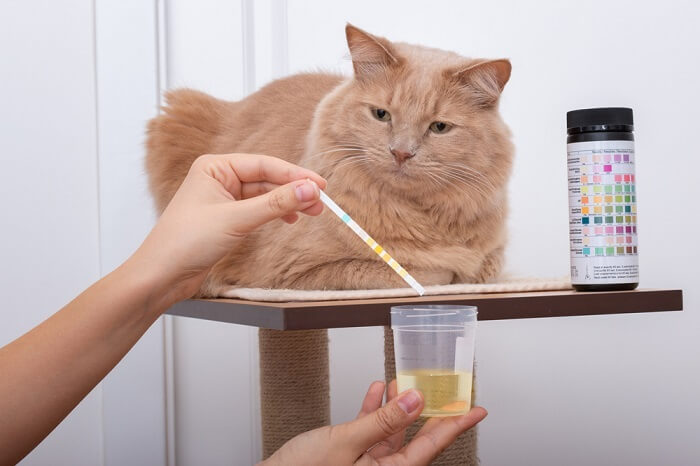
Sometimes a urinalysis for your cat is necessary to discover underlying health issues. Yaya Photos / Shutterstock.com
Another common complaint in more senior cats is poor kidney function. This often leads to a drop in appetite and gradual weight loss. Often, increased thirst and urination are seen alongside, and vomiting is also possible. Blood and urine tests are essential to understand how well your cat’s kidneys are working.
8. Viral Disease
Some viral diseases, such as FeLV (feline leukemia virus) and FIV (feline immunodeficiency virus) cause a multitude of symptoms, of which weight loss can be one.
9. Intestinal Disease
Any medical condition involving the GI tract can potentially cause weight loss, alongside other gut symptoms. Symptoms can include vomiting, diarrhea, and belly pain. Intestinal cancers, inflammatory bowel disease, food allergies, and pancreatitis can all lead to chronic weight loss.
Diagnosis of some of these conditions can be more challenging and may involve blood tests, ultrasound scans, x-rays, or biopsies.
10. Other Illness

Sometimes weight loss in cats happens with certain chronic conditions. Kirsten McCarthy / Cats.com
Most diseases in cats have the potential to cause weight loss, including liver disease, heart disease, cancer, and infections. Cats who are in chronic pain can also have reduced appetites, leading to a drop in weight and condition.
When To Worry
If you are actively trying to reduce your cat’s weight, due to obesity, then a gradual reduction is best. Rapid weight loss can cause liver disease (hepatic lipidosis) in cats, so always discuss your cat’s diet with a vet.
Even small amounts of weight loss in a cat can be significant (even just 1/2 lb!), which is why it’s important to always measure a cat’s weight at least a couple of times a year, even if nothing appears to be wrong. This is especially the case in older cats. Often, “sudden” weight loss has actually occurred over a period longer than just a couple days or a week, it has simply become advanced enough to be noticed. This is especially true in overweight or obese cats who may easily lose a whole pound or two without a very visible change in their physical appearance.
If you have noticed an unexpected weight loss, it is recommended to seek veterinary attention, whatever the amount or rate of loss. There are so many different causes for weight loss in cats, and most will need medical intervention. An essential first step in deciphering the cause, and setting up a treatment plan, is to book an initial appointment with a vet.
Clear causes to be concerned include:
- your cat is still eating normally or at an increased rate and yet weight loss is still occurring
- weight loss occurring in the face of a very poor or absent appetite
- weight loss in the presence of other signs of illness
- “sudden” weight loss that is very noticeable
Treatment Of Weight Loss In Cats
The management of weight disorders in cats depends highly on the cause. Intestinal worms are easily treated with spot-on, liquid, or tablet medication. Dietary causes can be re-balanced with a complete nutritional plan, and behavioral modifications can be put in place for stress-related concerns.
The first step is a veterinary appointment. The vet will perform a physical exam and take a thorough history, and may then recommend blood work and urinalysis. Depending on the symptoms and the initial results, your cat may need further tests such as scans or biopsies.
Medical causes will have varying treatments and prognoses. Hyperthyroidism can be managed with medication or diet, or cured by surgery or radioactive iodine treatment. Diabetics can be treated with insulin and dietary management, and tooth-related pain can be alleviated with dental treatment.
Some conditions are harder to treat than others, such as some cancers, renal disease, and viral diseases. However, there are often management strategies to alleviate symptoms and support appetite and weight.