

 Last updated Nov 30, 2025




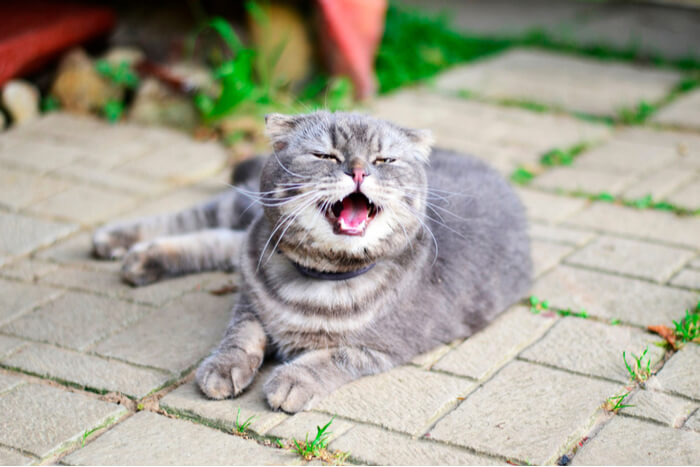
Sneezing is a reflex that is universal to all animals that possess noses. An occasional sneeze is a healthy reflex, designed to remove small irritating articles from inside a cat’s nose. However, a cat sneezing repeatedly is never normal. This article explains the common reasons for cats sneezing, and how cat owners should respond if their kitty starts to sneeze.
Quick Overview: Cats Sneezing
 Urgency: Low
 Requires Vet Visit: If persistent beyond a rare occasional sneeze, yes.
 Seen in Cats: Frequently
 May be Linked to: Bacterial infections, viral infections, fungal infections, inflammation, irritation, allergies, foreign material, severe dental disease, nasal or sinus tumors.
Treatment Options: Antimicrobials for infections, anti-inflammatory medication and/or antihistmines for inflammatory and allergy-related causes. Nasal tumors may require surgery and/or other follow-up treatments like radiation therapy. Anesthetic dental procedure for severe dental disease.
May be Linked to: Bacterial infections, viral infections, fungal infections, inflammation, irritation, allergies, foreign material, severe dental disease, nasal or sinus tumors.
Treatment Options: Antimicrobials for infections, anti-inflammatory medication and/or antihistmines for inflammatory and allergy-related causes. Nasal tumors may require surgery and/or other follow-up treatments like radiation therapy. Anesthetic dental procedure for severe dental disease.
What Is a Sneeze?
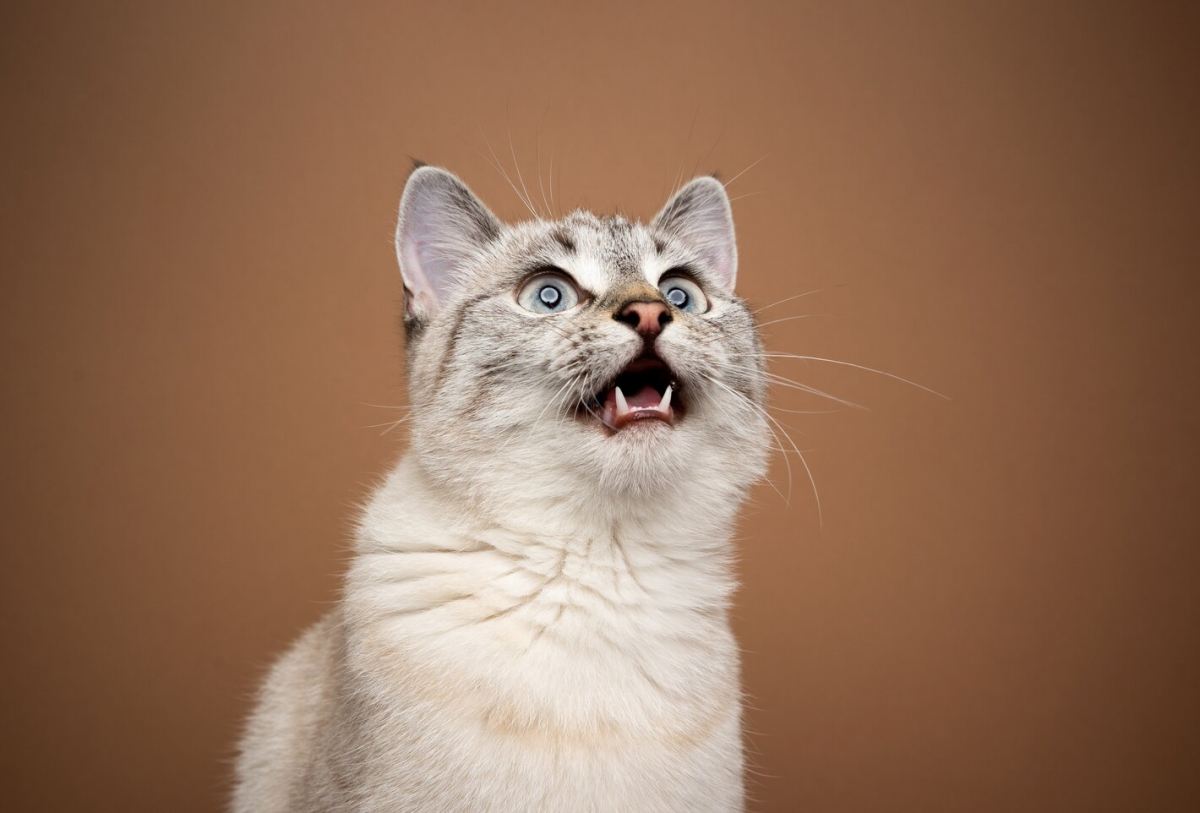
Everyone knows what a sneeze is, but a definition can help to explain what, precisely, is happening.
A sneeze is a reflex (you cannot choose to sneeze at will), in response to an irritation of the lining of the nasal passages. The reflex starts with a slow inhalation of air into the lungs, followed by sudden, forceful expulsion of the air at speed, through the nose.
Any small, loose, particles in the nasal chamber are likely to be expelled at speed into the surrounding environment during a sneeze.
Causes of Cat Sneezing
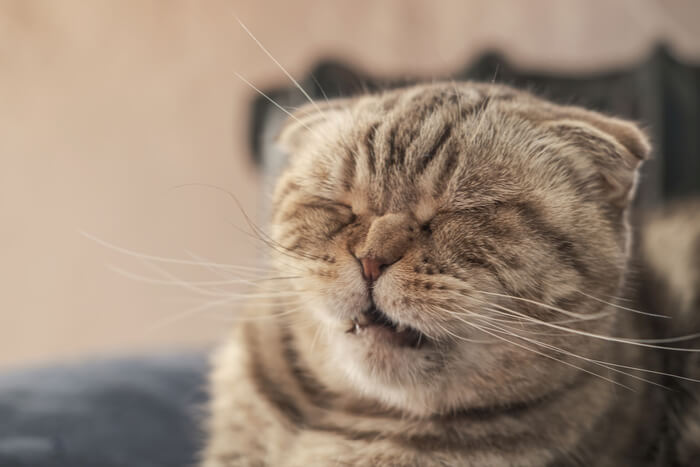
Sneezing is a normal reflex with a wide variety of causes. Your cat may start sneezing more due to a virus, infection, irritant, or another underlying cause.
Anything that irritates the lining of the nose can cause sneezing. Let’s go over a few of the most common causes.
Viruses
Feline Herpes Virus (FHV) and Feline Calicivirus (FCV), which are together known as the most common upper respiratory infections (URI) of cats (known colloquially as “cat flu”) are among the most common causes of sneezing in cats.
If a virus is to blame, the sneezing will normally be accompanied by other signs of viral infection (such as loss of appetite and eye discharge caused by conjunctivitis).
Other viruses, such as Feline Leukemia Virus (FeLV) and Feline Immunodeficiency Virus (FIV) can cause a wide range of signs of illness that can include respiratory disease and sneezing.
Infections
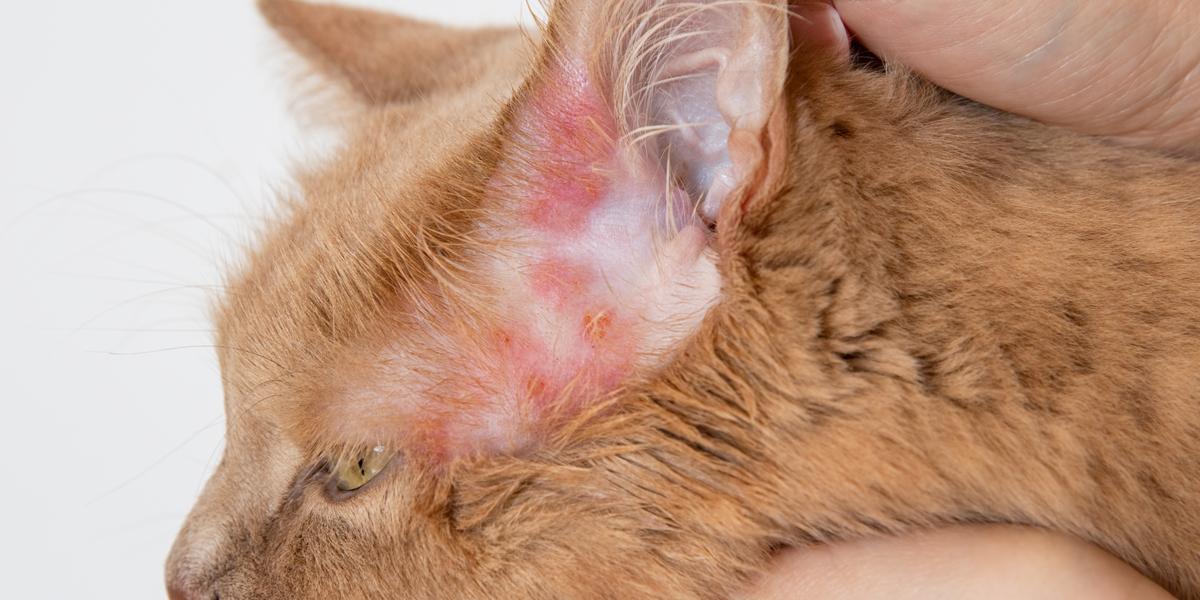
Bacteria such as Bordetella bronchiseptica, Mycoplasma or Chlamydia can occasionally cause sneezing in cats. Fungal infections may be seen occasionally in certain parts of the world (e.g. North America). Parasitic infections can rarely cause nasal irritation in cats.
Allergies and Irritants
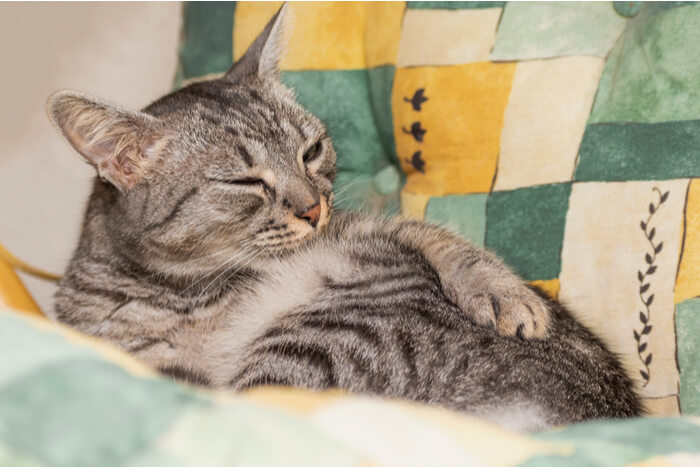
Flea allergies are a common cause of skin irritation and hair-pulling in cats.
Irritants in the air (e.g. certain deodorising aerosols) can sometimes cause sneezing. Your cat may also sneeze due to an allergic reaction to particles in the air (e.g. pollens, dust, cigarette smoke, etc).
Also Read: Allergies In Cats: Causes, Symptoms & Treatments
Foreign bodies are another common cause of sneezing. Blades of grass, or any small object that may have been either inhaled, or perhaps swallowed then regurgitated, can trigger a sneezing fit.
Other Issues
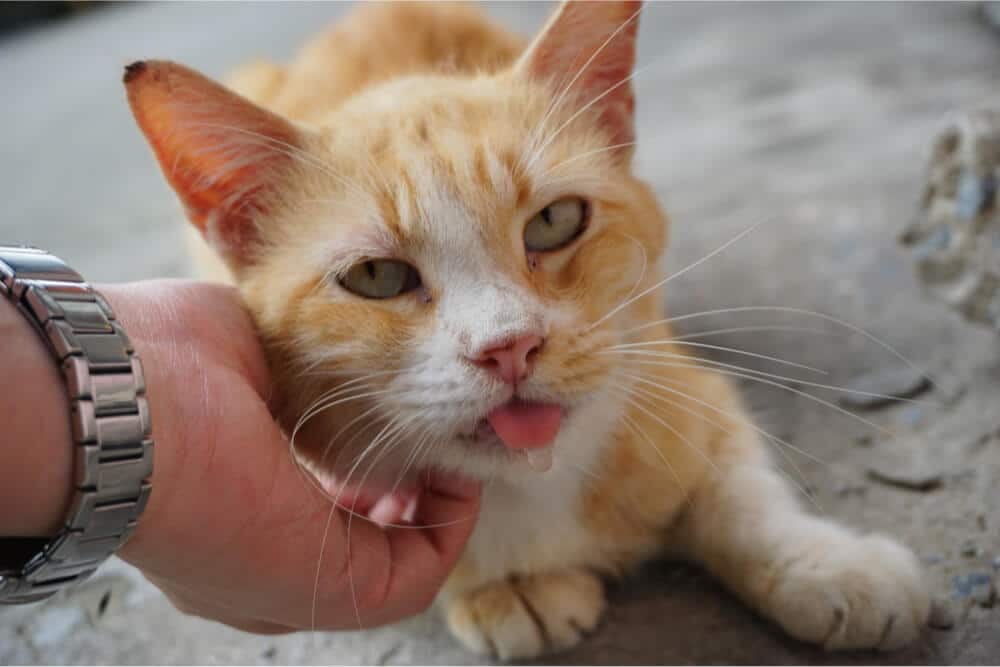
Sneezing may also be associated with other conditions, including:
- Nasopharyngeal polyps are inflammatory wart-like growths that can grow from the lining of the nasal cavity, causing localised irritation
- Tumors of the nasal cavity are a rare cause, seen more commonly in adult cats, and especially in older cats
- Abscesses of the roots of the teeth in the upper jaw can impinge on the nasal cavity, causing irritation and sneezing, as well as other signs such as drooling or mouth pain
- Congenital abnormalities, such as cleft palates, are a rare cause of sneezing in kittens and young cats
- Idiopathic lymphocytic plasmacytic rhinitis describes a type of inflammation of the lining of the nose which develops for unknown reasons, linked to the cat’s immune system
Why Is My Cat Sneezing?
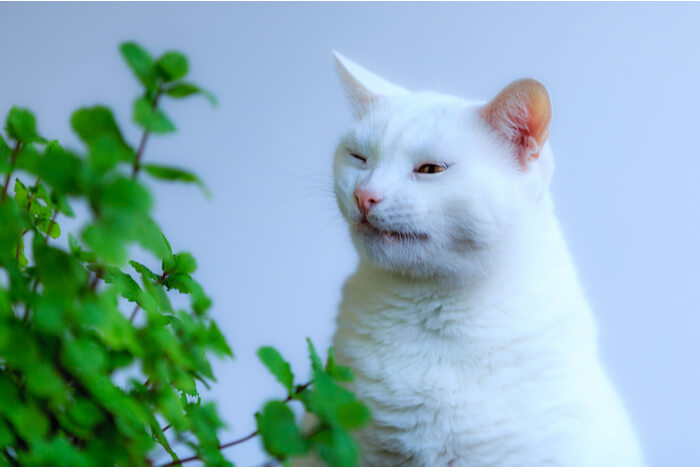
Cat sneezing occurs for a wide variety of reasons, including viruses, infection, irritation, and more. But how do you know why your cat is sneezing? You may need your veterinarian’s help to figure that out.
As noted above, there is a long list of causes that can make cats sneeze. To identify the specific cause in an individual cat, a series of investigations may need to be carried out.
1. History
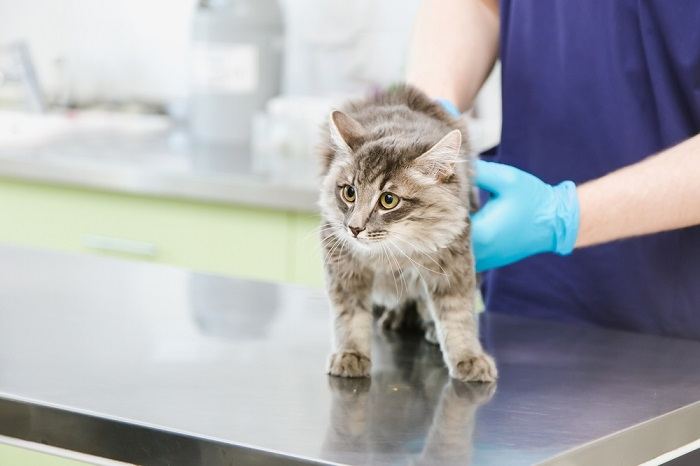
As a first investigative step, your veterinarian will want answers to questions about your cat’s health and history. Questions about your cat’s history may include:
- How often is your cat sneezing? It’s normal for cats to sneeze occasionally, just as it’s normal for humans to do so.
- How long has the sneezing been going on?
- Do your cat’s symptoms include other signs such as wheezing, coughing, or other signs listed above?
- Does your cat have any other health problems?
- How old is your cat? (some causes are more common in kittens, while other causes are more common in older cats)
- Has anything changed in your cat’s environment? Are there any new cleaning products, perfumes, furnishings, flowers, cat litter or litter box, a new humidifier, or anything else that could have brought airborne irritants or allergens into your home?
- Does your cat spend time outdoors? (e.g grass blades may be more likely as a cause)
- Is your cat fully vaccinated against FHV and FCV?
- Has your cat has a recent veterinary check, including a dental examination?
- Are there any signs of dental disease such as halitosis, drooling, or mouth pain?
- Do you give your cat regular anti-parasite treatments?
- Has your cat been in contact with other cats? (e.g. at a boarding cattery)
- Does your cat have any other signs of illness, such as a head tilt (this may be seen in some cases of nasopharyngeal polyps)
- Is there any sign of nasal discharge i.e. does your cat have a runny nose? If so, what is its nature? The color and consistency of the discharge can provide insights into the cause of the issue. For example, a blood-tinged discharge may suggest a more deep-seated infection or even a nasal tumor. Sometimes discharge may start off clear but may become opaque, yellow, green, or brown, depending on the underlying cause.
2. Physical Examination
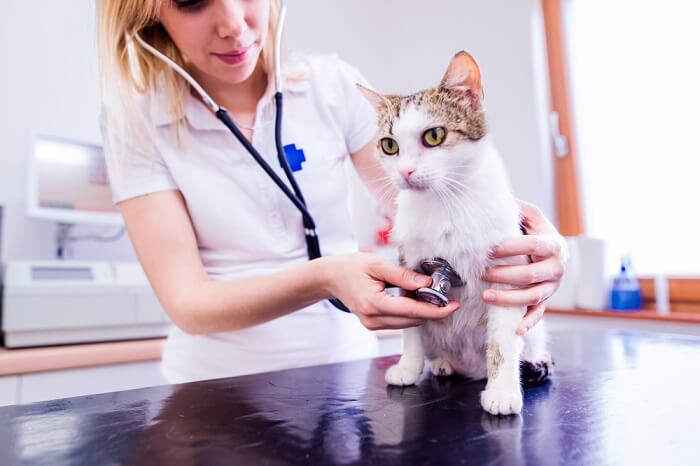
After taking a detailed history, your veterinarian will carry out a detailed physical examination, inspecting your cat carefully, taking the body temperature, listening to the chest with a stethoscope, and examining the head, mouth and nose.
Sometimes this may reveal a physical cause (e.g. the tip of a blade of grass may be seen inside the front of the nose).
But in many cases the main findings may only be sounds of congestion and visible hints of nasal discharge. The discharge itself may be helpful depending on its appearance.
Your vet may look to check airflow through your cat’s nostrils. this can be done by holding a glass slide in front of each nostril and looking for condensation. If airflow is not present, this may make a tumor or lodged foreign material more likely than an irritant, allergy, or infection.
Your vet may stop here depending on how helpful the history and physical exam findings are towards making a diagnosis. But in many cases, further testing may be discussed.
3. Diagnostic Imaging
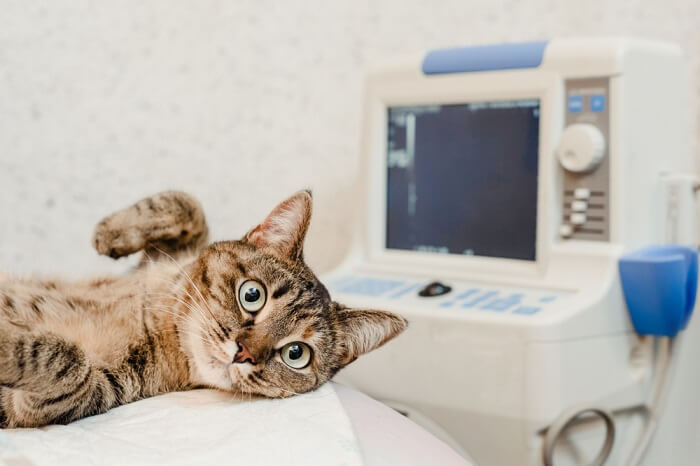
Radiographs (x-rays) may be taken of the skull and nasal cavity, and these may help to diagnose problems like nasal tumors or dental abscesses. Further imaging such as CT or MRI scans may be taken if more detail is needed.
4. Blood Samples
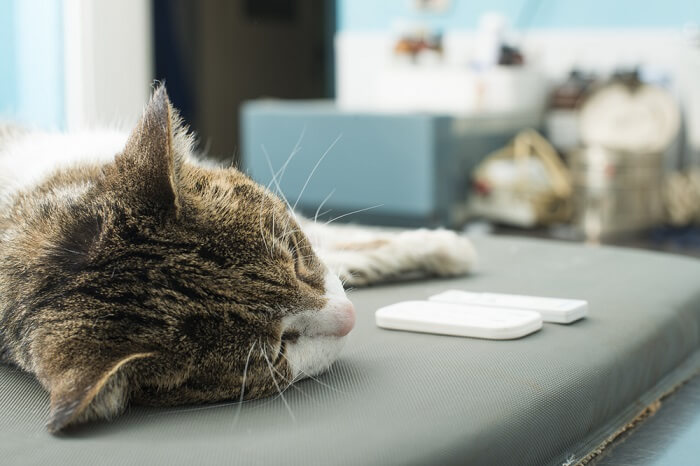
Routine profiling using biochemistry and hematology may be carried out to gather a baseline of data about your cat’s general health.
5. Rhinoscopy
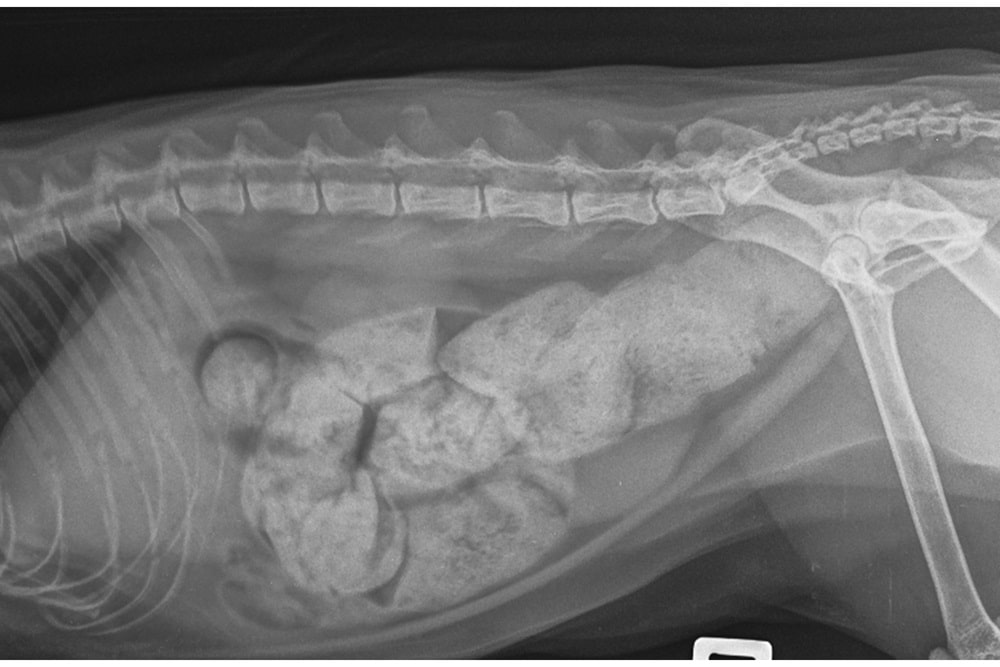
Severe constipation may result in fecal impaction as shown in this X-ray.
Rigid or flexible endoscopes may be used to directly visualise the lining of your cat’s nasal chambers.
6. Biopsies
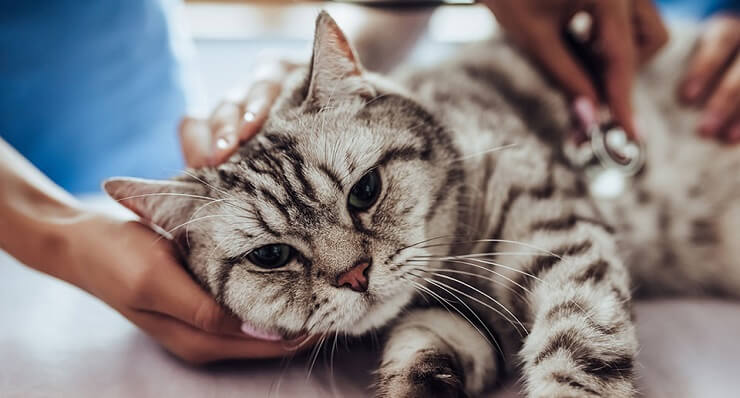
A sample of discharge may be collected, as well as a biopsy of tissue from the lining of the nose, to be sent off for laboratory analysis. Swabs may also be collected for bacterial and/or virus isolation.
Cat Sneezing Treatment
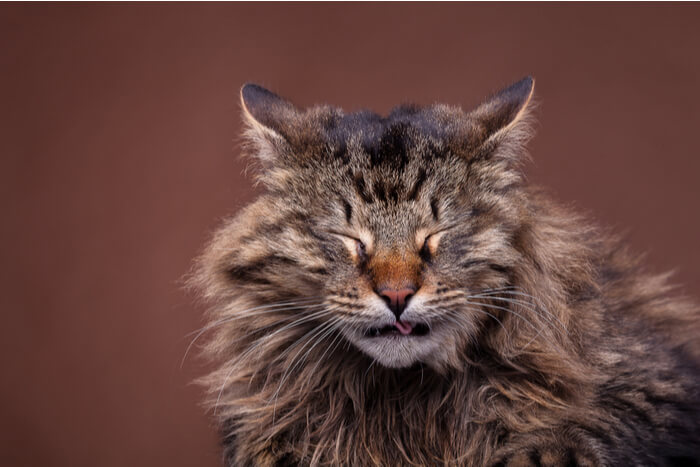
While most sneezes are normal and no cause for concern, some cats will require treatment to resolve the underlying cause of their sneezing. Treatment depends on the underlying issue.
The type of treatment needed depends entirely on the cause of the sneezing, which is why an accurate diagnosis is so important. Possible treatments include:
- Removal of irritating foreign body
- Surgical removal of nasopharyngeal polyps
- Antibiotics to treat primary or secondary bacterial infections
- Antifungal medication for specific fungal infections
- Antiparasite medication for specific parasite infections
- Anti-inflammatory medication for certain inflammatory diseases such as idiopathic lymphocytic plasmacytic rhinitis
- Surgery and/or chemotherapy for some nasal tumours
Conclusion
If your cat starts to sneeze more than normal, it’s best to take them to your local veterinarian for a thorough investigation to identify the cause, so that appropriate veterinary care and treatment can be given at an early stage.



My cat has been sick with his ears, both infected. Now he is sneezing a lot in a row. What are you thoughts?
You need to take him to a veterinarian – these could be completely different issues, or they could be connected. Typically, sneezing is often caused by a long standing cat flu virus infection (as the article above explains), while there are many possible causes of infected ears, most of which are completely separate to causes of sneezing. So do take him to the vet and they will help you resolve this.
I have a cat with chronic sneezing and nasal discharge. Was put on a round of antibiotics a year ago, but the same symptoms are back. I dont know what to do . Antibiotics don’t work.
Well, as the article explains, bacterial infections are only one cause of many possible causes, and antibiotics will only work if the main cause is a bacterial infection. So it is not surprising that they don’t work here. You need to discuss other possible causes with your veterinarian – read the article in detail first, as it will equip you well for that discussion.
I’ve taken cat to vet 3 times, each time a differentt medication was given with no decent results. Specimen of discharge also taken and test results indicated no virus or bacterial infection. What now? Other cat also infected, but not as badly.
If you read the article, it explains that the most common cause of sneezing is a viral infection which will not respond to medication: resolution depends on the cat’s own immune system. Talk to your vet in detail about this, and they will explain the specific situation for your two cats.