
 Last updated Sep 3, 2025




Kirsten McCarthy / Cats.com
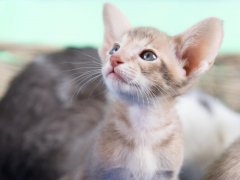
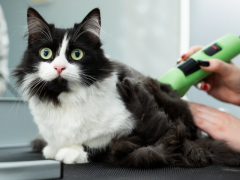
How can we know if cats feel sadness, love, happiness, and all the rest? Is it just pet parents’ intuition or is there real evidence out there? Read on for insights into how we know cats feel emotions, why they might be feeling low, the signs of unhappy cats, and how to help.
Cats can feel emotions of love, happiness, sadness, and anger, and can also recognize these emotions in their people. Symptoms that a cat is sad include changes to their usual habits such as feeding, sleeping, grooming, social interactions, temperament, and behavior. Cats may be sad due to changes in the household or grief, but sadness or depression can also be caused by illness, so it's important to rule out any underlying health conditions that might cause similar symptoms.Key Takeaways
Can Cats Feel Emotions?
Cats can live solitary lives, but many choose to live in social groups, either with other cats or by forming relationships with their human family. Studies have shown that cats can perceive emotional signals from both humans and other cats,(1) and can recognize different emotions(3) in others.
Feline behavioral experts agree that cats display many similar emotions to human emotions, although communicated in different ways.(2)
How Can I Tell if My Cat Is Sad?
Cats communicate differently from us. They can’t tell us if they’re in distress, so they use other signals such as behavioral changes, social interactions, body language, and posture. Here are some common cues that cats might be feeling sad:
- Sleeping more: Cats do sleep a lot, but if your cat is unusually lethargic or changes their sleep patterns it might be a cause for concern.
- Poor grooming: Changes to grooming habits are common in depressed cats.
- Loss of appetite: If your cat is sad, they might eat less.
- Change to routine: If you notice your kitty isn’t following their usual daily routine, this could be a sign of depression.
- Stop playing: Sad cats might show a loss of interest in their usual games.
- Hiding away: Some cats hide away when sad or in distress.
- Behavioral changes: A change of interaction with their owners and other cats is common in sad cats—some become very needy and clingy, whereas others do the opposite and show aggression.
- Vocalization: If your cat is sad, they might give plaintive cries or stop vocalizing if they are usually a chatty cat.
- Change to bathroom habits: A feline in distress might start spraying urine outside the litter box.
A sad cat might not show all these symptoms, but these are all signals to look out for that suggest your cat may not be quite right. Confusingly, many of these signs may actually indicate illness, so if you note any of these changes, first schedule a checkup with your veterinarian to rule out health problems such as pain or illness.
Why Might My Cat Be Sad?
Most of our domestic pets lead a charmed life. They get bountiful tasty food, affection, company, and a lot of snoozing on the sofa. What is there to be sad about? Well, cats can be sensitive to changes, and here are some reasons why your kitty may be feeling low.
1. Grief
The loss of a feline companion, another pet housemate, or even a person in their household can have a huge effect on your cat’s mood. Cats can become very bonded to household members, and their loss can leave them feeling anxious and bereaved.
2. Illness Or Injury
Being sick or in pain is never pleasant. Some health problems are more likely to cause behavioral and mood changes than others, with fatty liver disease, diabetes, and dental disease all being the top culprits. An injury might leave your cat unable to perform actions that they usually enjoy, such as jumping up onto a bed, which can also negatively affect mood.
3. Owner Absence

Despite what many people think, cats often miss their humans when they are away. Kirsten McCarthy / Cats.com
Cats often form very close relationships with their pet parents and like to spend a lot of time with them. Some cats may suffer from separation anxiety if their owners leave the house unexpectantly, for example, if there is a change to a work schedule. They might also struggle with a change in who lives in their home environment, for example in cases of divorce.
4. Change
Cats are creatures of habit, and any disruptions to their careful routines can cause uncertainty, stress, and depression. Moving to a new home, building work, a new pet, or baby in the house can all upset our sensitive felines.
Give a Helping Hand
As cat owners, we all want our cats to be healthy and happy, and it can be very hard to see your kitty in distress. If your cat seems sad or depressed, and a vet has ruled out medical problems, try these top tips to lift your cat’s mood.
1. Affection
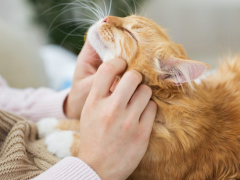
Some cats like cuddles more than others, but making sure you give your cat extra attention and comfort is important to all. Some cats will become very clingy if sad, and your presence will help them feel calmer and happier. If your cat is not physically affectionate, try sitting near them and feeding them a treat as a positive and bonding experience.
2. Playtime

Using their natural instincts during play can help alleviate sadness. Kirsten McCarthy / Cats.com
Spend some extra time playing with your cat. Getting their favorite toys out and having a good game will lift their mood, distract them from the source of their depression and strengthen the bond between you.
3. Predictable Routine
Cats like to have a set schedule for the day, and having a predictable routine can help ease anxiety, especially if there have been recent changes to the household, such as the loss of a pet or even a new pet. Try and make important events for your cat, such as mealtimes, playtime, and cuddle time as consistent as possible.
4. Enrichment
Having plenty for your cat to do in the home is important, especially if separation anxiety is thought to be one of the stressors. Try adding in a scratching post, some more toys, or a puzzle feeder to keep them busy and occupied when you can’t be with them. A toy filled with catnip can be an excellent way to keep cats engaged when you leave.
5. Feline Behaviorist
If your kitty is depressed, lethargic, and generally sad, you might need expert help. If a vet has conclusively ruled out physical problems, a qualified behaviorist will be able to advise on how to help your poor sad kitty.
Do Cats Know if We’re Sad?

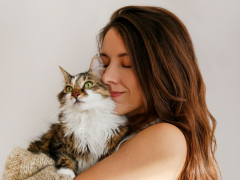
Many owners who are feeling down notice that their cats act differently toward them. Kirsten McCarthy / Cats.com
Yes, it certainly seems that way from the research. Cats have been domesticated for many years, in close contact with people. They have been shown to form strong social bonds with their owners(4) and can recognize human emotions(1).
It has also been proven that cats interact differently with people who are feeling depressed, agitated, or extroverted(5). You may notice that your cat acts differently around you when you are sad compared to when you are excited and happy, for example.
Key Takeaways
Cats can feel emotions (and recognize ours!), but they express their love, happiness, sadness, and anger in different ways to us humans. Symptoms that a cat is sad may include changes to their usual habits such as feeding, sleeping, grooming, and social interactions, and can affect their temperament and behavior.
It is important to rule out any underlying health conditions that can cause similar symptoms. Cats may be sad due to changes in the household, grief, or illness. There are ways to help your cat if you are worried about their mood, mostly by spending extra time with them doing their favorite activities.
Frequently Asked Questions
How do you tell if your cat is sad?
Cats show sadness through changes to their usual habits, including sleeping more, and eating and grooming less, and through altered behavior such as becoming more clingy, hiding away, or even by becoming aggressive.
Do cats care if you cry?
It has been shown that cats can recognize different human emotions. They also respond differently to people based on emotional cues, such as staying closer to owners who are depressed.
Do cats get sad when you leave?
Some cats do suffer from separation anxiety and get anxious and sad when an owner leaves them. Others will only be affected by an unexpected absence such as a change to a work schedule.
Will my cat miss me when I move out?
Some cats can become sad and stressed by a change in the household. Their response will vary on the strength of the bond between the cat and the person leaving, and the temperament of the cat.
-
Galvan, M., & Vonk, J. (2016). Man’s other best friend: Domestic cats (Felis silvestris catus) and their discrimination of human emotion cues. Animal Cognition, 19(1), 193–205. https://doi.org/10.1007/s10071-015-0927-4
-
Feline Behavioral Health and Welfare. (2016b). In Elsevier eBooks. https://doi.org/10.1016/c2011-0-07596-8
-
Quaranta, A., d’Ingeo, S., Amoruso, A., & Siniscalchi, M. (2020). Emotion recognition in cats. Animals, 10(7), Article 1107. https://doi.org/10.3390/ani10071107
-
Dc, T. (1991). The ethology of the human-cat relationship. PubMed, 133(2), 63–70. https://pubmed.ncbi.nlm.nih.gov/2047832
-
Turner, D. C., & Rieger, G. (2001). Singly Living People and their Cats: A study of human mood and subsequent behavior. Anthrozoös, 14(1), 38–46. https://doi.org/10.2752/089279301786999652