

 Last updated Feb 23, 2023




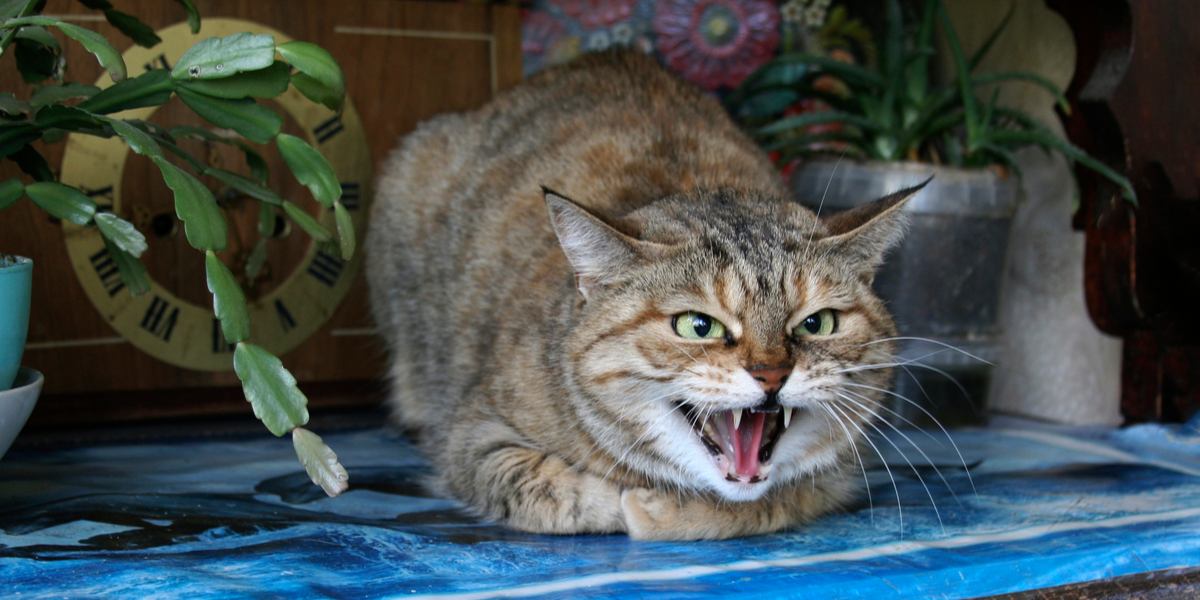
Stress is something we deal with on daily basis and most people know the negative impact of prolonged periods of stress it has on our lives, but did you realize that your cat could similarly be stricken by stress?
Let’s discuss what can cause cat stress in the modern world and why it’s important to pay attention to subtle behavioural and physical changes when considering the wellbeing of your cat.
What Are Stress and Distress
Stress is a broad term that describes intricate cognitive, emotional and physiological responses by an animal to the different stimuli (pleasant and aversive) while distress is a negative mental strain resulting from unpleasant or over-demanding circumstances experienced on individual basis (Sparkes, 2016).
Acute vs Chronic Distress
Like humans, cats can experience both acute and chronic distress.
- Acute Distress – short-lived stressors which will cause distress. The individual usually recovers quickly with no lasting damage.
- Chronic Distress – frequent, repeated exposure to stressors that will lead to serious distress over a prolonged period.
Signs Of Stress In Cats
Cats vary in how they manifest signs of distress. Some will display behavioral changes while others may show changes in their physical health. This makes it very important to notice subtle signs as early as possible.
Look out for the following physical and behavioral signs:
Physical Signs:
- Gastrointestinal signs – diarrhea, constipation and/or vomiting
- Feline Lower Urinary Tract Disease (FLUTD) indications – frequent or painful urination with blood potentially caused by Feline Idiopathic Cystitis (FIC)
- Dermatological symptoms – through repetitive grooming or overgrooming a specific part of the body
- Respiratory signs – runny nose, eye discharge and panting
- Cardiovascular abnormalities – increase in heart rate and blood pressure
- Compromised immune function with a predisposition to infections
Behavioral Signs:
- Inappropriate urination or defecation
- Consumption of non-edible items (pica)
- Decreased play activity and exploratory behaviour
- Indoor urine spraying
- Inhibition of grooming, feeding, urination and defecation or polyphagia (overeating)
- Redirected aggression towards humans or other pets
- Increased facial marking and scratching on surfaces
- Inactivity and increased sleep
- Hypervigilance along with an intensified startle response
- Constant hiding
- Excessive vocalization
- Either being more clingy or showing social distancing from humans and other cats.
- Changes in normal behaviour such as not going outdoors, irrespective of weather.
Causes of Stress in Cats
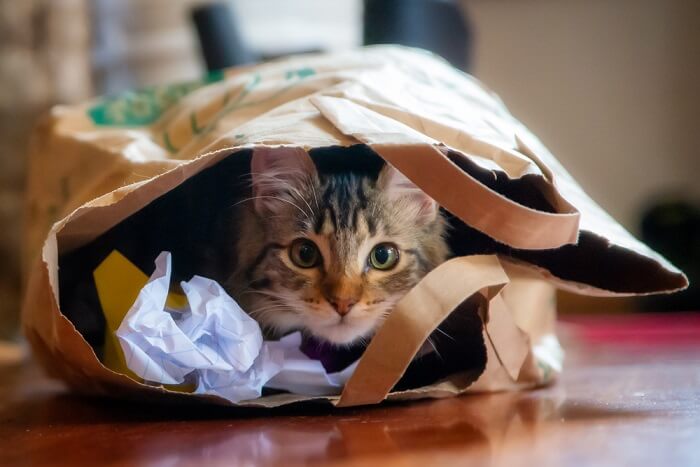
Every cat reacts differently to a specific person, another animal, event or item, yet some situations are more likely to cause stress in your cat than others.
Cats are sensitive creatures. They can be prone to anxiety, frustration, pain and distress from situations, events and other people (and other cats).
The 5 Most Common Stressors For A Pet Cat:
1. Territory Displacement
Moving homes, whether just across town or even to a new country can be a stressful experience. Travel may require caging and/or quarantine when reaching a new location. This is a typical example of unavoidable territory displacement.
A trip to the vet clinic will cause temporary stress. Overnight confinement for care within the clinic due to illness or boarding in a cattery will cause extended distress.
Remarkably, a feral cat imay be better equipped than a pet cat to deal with displacement into an unfamiliar environment. However, handling by people and confinement can lead to distress during that process.
2. Inter-Cat Conflict in Multi-Cat Homes
Though it may not be readily visible to us, cats do have complex social interactions with each other. Thus, stress can also occur in homes with more than one cat. This can especially be the case when a new cat is introduced to the home.
This may be due to insufficient resources or proper introductions. Two cats put together may or may not tolerate one another with little opportunity to distance themselves. While some may adjust after a couple of weeks, others may live in constant conflict and distress.
3. Change In Routine
Cats thrive in familiar territories with a steady routine. They prefer to avoid what they may view as dangerous or unpredictable environments. Even moving furniture around or getting new furniture may seem distressing to a cat.
More advanced changes like home renovations can cause significant anxiety, fear and distress. This is especially the case if the cat is confined to a specific part of the house or if their “safe space” in the home is affected by the changes.
The addition of a new family member, the arrival of a brand-new baby or having long-term visitors may change the dynamics of the household routine causing potential distress too.
4. Unpredictable And Poor Human-Cat Relationship
Cats prefer to be in control. While some love attention and being held, others do not. Unpredictable handling, over-fussing, or holding a cat tight with constant focus on them may be stressful for some cats.
Punishment through swatting or hitting in response to aggression, house soiling, scratching of furniture and other undesired behavors is not a good way to build a relationship with your kitty. These negative reactions will serve to teach your cat to fear your approach.
5. Inadequate Or Absence Of Resources
Inadequate or absent resources is a frequent source of potential distress to a pet cat.
Examples include:
- Too few litter boxes within the home – don’t always assume a cat with outdoor acess will always eliminate outside. Always keep a box avaialble. Similarly, an inadequate number of litter boxes in a multi-cat household can also cause distress.
- Incorrect placement of resources – food and/or water placed next to the litter box, placement of a litter box in a hard to access area, or placement of any resources in a high traffic/busy/loud area are examples where location of vital resources may cause distress.
- Absence of hiding spots and lack of escape routes.
- Insufficient number of resources in multi-cat homes. (i.e. multiple water bowls, litter boxes, or even separate feeding areas for each cat).
- Irregular outdoor access for cats accustomed to having it.
- Inadequate availability of high or hidden places when a cat feels threatened or at risk.
Lastly, the environment plays a significant role in the proportion of stress particularly for indoor only cats. To assess potential stressors within your cat’s environment, go ahead and complete an in depth Feline Stress Audit.
How To Treat Stress in Cats
For the best success, reducing stress in cats should have multiple approaches. The following are 8 different techniques to help improve your cat’s quality of life at home and your relationship together.
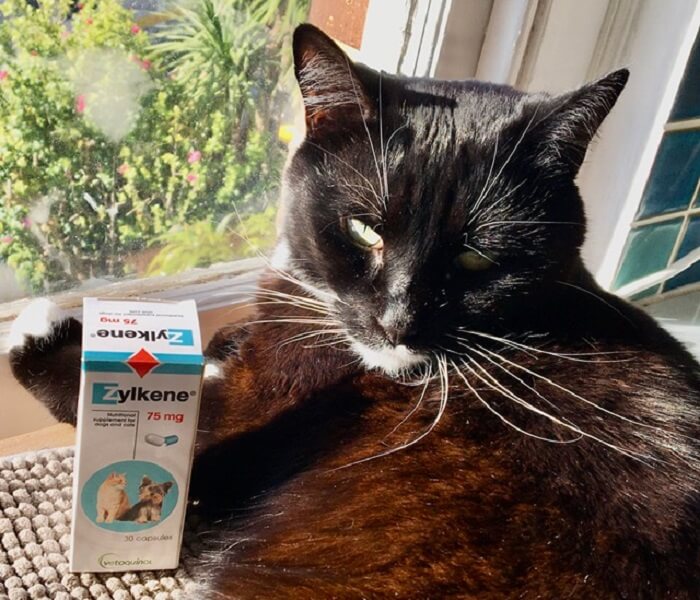
Helping your cat release stress could include multimodal environmental modification, establishing routine and harmony, play therapy, using pheromones and massages.
1. Environmental Modification and Enrichment
Successful treatment strategies should include either prevention and/or reduction of negative or overwhelming stimuli in the home.
Multimodal Environmental Modification (MEMO) and Environmental Enrichment (EE) are key components to essentially provide behavioral therapy to pet housecats. The aim of MEMO and EE is to introduce positive and enriching changes within the house by increasing novelty, opportunities to explore, and have safe and calming spaces. Enriching a cat’s environment while having places to retreat to can vastly improve behavioral stress.
Provide escape routes and safe paths through the home. You can create shelving, furniture or modify walls to incorporate an inside cat door to permit your cat to escape from other pets. Likewise, create safe havens where the cat feels comfortable accessing all their resources, far from potential stressors.
Create secure places with the help of cardboard boxes, tunnels and cat carriers along with high vantage points with bookcases, cat playgrounds and observation platforms to reinforce your cat’s control over their environment.
For cats kept exclusively indoors, introduce food dispensing puzzle feeders to stimulate hunting and foraging behavior. Having calming music in the background can also help reduce stress.
Lastly, in multi-cat households supply the right distribution of resources like food and water bowls, litter boxes and resting areas to avoid disputes.
Also Read: The 10 Best Cat Slow Feeders & Puzzle Feeders
2. Play Therapy
Never underestimate the power of constant, structured, interactive play referred to as ‘play therapy’. This is a common approch to include for many cat behavior problems. The key to play is providing a daily routine consistent with your cat’s energy patterns. Early morning and late evening play sessions with the help of interactive toys mimicking predatory hunting behavior is best.
3. Routine And Harmony
Sticking to routine provides reassurance to a pet cat since cats are always on the lookout for the presence of threat and danger in new spots or social interactions. Therefore consistent daily practice with as little disruption as possible may be a wonderful stressbuster.
4. Proper Handling And a Positive Human-Cat Relationship
Remember no two cats are alike, some like being handled and stroked for lengthy periods. Others find it distressing and uncomfortable. A cat who’s given free choice to start interactions on their own terms and leave when they choose can reduce stress.
5. Therapeutic Massage And Bodyworks
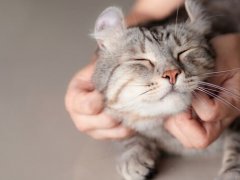
Massage and bodywork techniques offer health benefits for humans and equally to pets. Tellington Touch, acupressure and acupuncture are documented to alleviate stress, enhance circulation, improve immune function, and promote healing. They help the body to release endorphins, the natural stress-relief hormones! These techniques can also be a great way to help a pet parent de-stress after a hectic day at work.
6. Pheromone Therapy
Synthetic analogues of feline pheromones with products like Feliway can be applied preventatively or therapeutically. They can help in the management of distress, home relocations, and adapting to new environments by reducing anxiety and promoting a feeling of happiness.
7. Nutritional Supplements
There are many supplements available over the counter that can have anti-anxiety effects.
Products including ingredients like L-tryptophan, alpha-casozepine and L-theanine may be effective in reducing anxiety. They can at least be helpful as part of a multi-modal approach to reduce stress. Always consult your veterinarian before the introduction of any new supplementation.
8. Consult Your Vet
All of these approaches may help and do have a good basis in science and through studying feline behavior. However, just like in people, sometimes medication may be needed to reduce stress in some cats enough to improve their quality of life.
Some cats may have more mild anxiety where improvements in environment, supplements, and positive stimulation may make a big impact. But here are others where their signs of stress are very severe, impacting their physical health and their bond with their human caretakers at home.
Always consult your veterinarian to talk through your cat’s behavioral concerns. Your vet can advise and prescribe prescription medications if necessary to help. This may not always require an in-person visit (which may be stressful for a stress-prone at). Discussing matters through a phone or video consultation are common alternatives now that your vet may be open to.
Conclusion
The best way to prevent or reduce prolonged stress is to respect your cat as an individual and obtain qualified veterinary advice when you notice any disparity to regular patterns of behavior. Stress can be very damaging not only to a cat’s welfare but also to yours and the bond you share with your kitty.
Frequently Asked Questions
What are the signs of stress in a cat?
Unlike other species cats are subtle and may withdraw or become quiet when their anxious, in pain or distressed making it difficult for owners to interpret what emotions the cat could be experiencing. Stress manifests in either physical and/or behaviour variations calling for a veterinary check-up.
How can I relieve my cats stress?
Environmental enrichment, predictability and a sense of control can all help alleviate the frequency of stress-related symptoms and diseases. Play is additionally related with good welfare and emotional stability.
What are five ways to tell if a cat is stressed?
Top five signs to look out for are urination or defecation outside the litter-tray, excessive grooming, inappetence, intense furniture scratching and aggressive behaviour directed towards you or other pets.
What happens if a cat gets too stressed?
Severe or relentless stress may cause compromised welfare, stress-associated diseases like FIC, compromised immunity, Gastrointestinal conditions, Skin disorders, behavioural problems and even obesity therefore it’s vital to reduce causes of distress as soon as it’s detected.
-
CA Tony Buffington, J. L. (2006). Clinical evaluation of multimodal environmental modification (MEMO) in the management of cats with idiopathic cystitis. Journal of Feline Medicine and Surgery, 8, 261-268. Retrieved September 27, 2021, from doi:10.1016/j.jfms.2006.02.002
-
Care, I. C. (2018, October 05). Stress in cats. Retrieved September 15, 2021, from ICatCare: https://icatcare.org/advice/stress-in-cats/
-
Care, I. C. (2020, Septmeber 15). Advanced Feline Behaviour for Vet Professionals, Module 5 Creating a Cat Friendly Home Part 2. (ISFM, Compiler) UK. Retrieved September 20, 2021
-
Gary Landsberg, B. M. (2017). Therapeutic effects of an alpha-casozepine and L-tryptophan supplemented diet on fear and anxiety in the cat. Journal of Feline Medicine and Surgery, 6, 594-602. Retrieved September 22, 2021, from https://journals.sagepub.com/doi/10.1177/1098612X16669399
-
Heath, I. R. (2016). Feline Behavioral Health and Welfare. St Louis, MO: Elsevier. Retrieved September 23, 2021
-
Marta Amat, T. C. (2016). Stress in owned cats: behavioural changes and welfare implications. Journal of Feline Medicine and Surgery, 18, 577-586. Retrieved September 25, 2021, from DOI: 10.1177/1098612X15590867
-
Sparkes, D. S. (2016). ISFM Guide to Feline Stress and Health; Managing negative emotions to improve feline health and wellbeing. Tisbury, Wiltshire, UK: International Cat Care. Retrieved September 21, 2021



I have a 9 yr old male siamese. Im training him to be an indoor cat with outdoor fenced yard for him. He is very athletic. I need to know how to find someone or recommendation who can construct this for Frankie. How much sspace does he need what does he need
help
Hi Pat,
Here are few backyard cat proofing companies for your review: Purrfect Fence https://www.purrfectfence.com, Cat Fence In https://catfencein.com/, Oscillot https://oscillot.com.au/ (please check if they ship to the USA), Catnets USA https://catnetting.com/ and A Catio Company https://www.thecattopia.com/ Best to speak to them directly. You can also check out Invisible Fences For Cats at https://cats.com/best-invisible-fences-for-cats
Hope this helps, send us a pic of the one you get installed
All the best, Melina