

 Last updated Nov 30, 2025




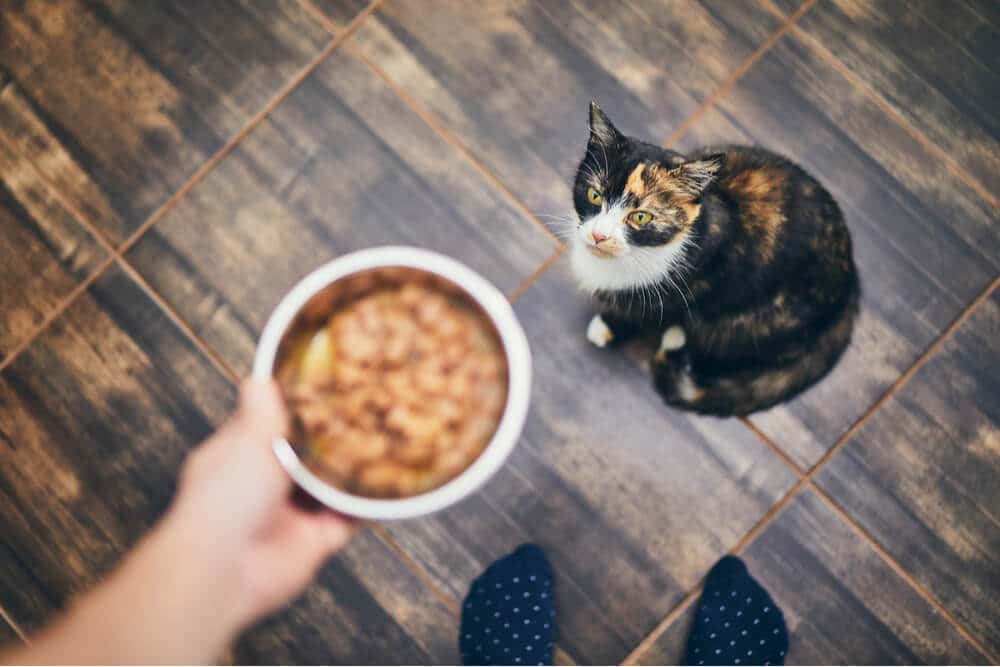
Despite our best efforts caring for our cats, purchasing expensive food, and giving them a safe, happy, and fulfilled life, our cats may temporarily stop eating.
Loss of appetite is a major concern for a cat parent, but when do you start worrying and ask for help?
In this article, we discuss why a cat may seem picky, what to do if your cat refuses to eat, and when to obtain professional veterinary advice.
Quick Overview: Loss Of Appetite In Cats
 Urgency: High
 Requires Vet Visit: Yes
 Seen in Cats: Frequently
 May be Linked to: digestive upset, pancreatitis, picky eating habits, food changes, stressful events or changes in routine, pain, upper respiratory illness, fever, dental disease and/or oral pain, kidney disease, heart failure, cancer.
Treatment Options: Supportive care treatments may include appetite stimulants, pain medication, anti-nausea/vomiting medication, subcutaneous (under the skin) or intravenous fluids, tempting with different foods. In severe cases, hospitalized care with feeding tube placement.
May be Linked to: digestive upset, pancreatitis, picky eating habits, food changes, stressful events or changes in routine, pain, upper respiratory illness, fever, dental disease and/or oral pain, kidney disease, heart failure, cancer.
Treatment Options: Supportive care treatments may include appetite stimulants, pain medication, anti-nausea/vomiting medication, subcutaneous (under the skin) or intravenous fluids, tempting with different foods. In severe cases, hospitalized care with feeding tube placement.
Reasons Why Cats Refuse to Eat or Loss Their Appetite
There are several causes for inappetence. Certain signs are subtle. Others require a thorough behavioral assessment. Some cases require a medical diagnosis and treatment.
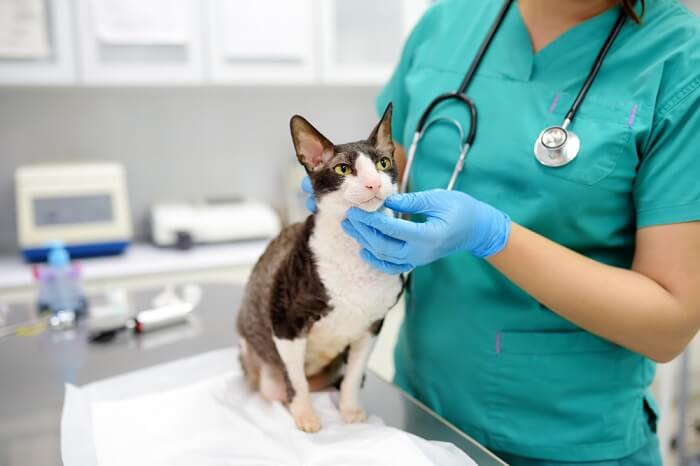
If your cat has stopped eating altogether (termed “anorexia”), consider it an emergency situation and contact your veterinarian immediately. A veterinarian can help to identify and address the underlying cause of your cat’s inappetence and prevent the complications of inadequate food intake. Going without food for 72 hours or more could lead to hepatic lipidosis, a serious and potentially-fatal condition.
Here are a few common reasons why a cat may stop eating:
1. Medical Conditions
If you have trouble getting your cat to eat, consult your vet first to ensure no underlying disease is causing a weakened appetite.
A wide range of medical conditions can cause inappetence and anorexia. These include, but are not limited to:
- Digestive disease
- Respiratory disorders
- Dental issues
- Thyroid conditions
- Liver conditions
- Pancreatitis
- Feline chronic kidney disease (CKD)
- Diabetes mellitus
- Congestive heart failure
- Cancer
If your cat’s inappetence is caused by a health issue, it will likely be accompanied by other common signs of illness, including:
- Lethargy
- Weight loss
- Drooling
- Face swelling
- Increase in water intake
- Dehydration
- Vomiting or regurgitation
- Pawing at the face
- Reduced mobility
- Decreased activity
- Altered grooming
- Changes in normal temperament
A change in appetite is never something to ignore and always demands close monitoring. If the appetite change is accompanied by any of the symptoms above, you should take your cat to a veterinarian.
2. Anorexia
Anorexia is the term used to describe a complete lack of eating. This might be due to behavior. Cats being boarded or left at home while their owners are away may refuse to eat due to stress or anxiety. Sudden changes at home or moving to a new home can be causes as well.
Anorexia may also occur due to an underlying health condition as mentioned already. Anorexia can be common in hospitalized patients complicating their health problems by refusing to eat.
Regardless of the cause of anorexia, the primary goal is to diagnose and treat the underlying reason.
3. Unsuitable Diets
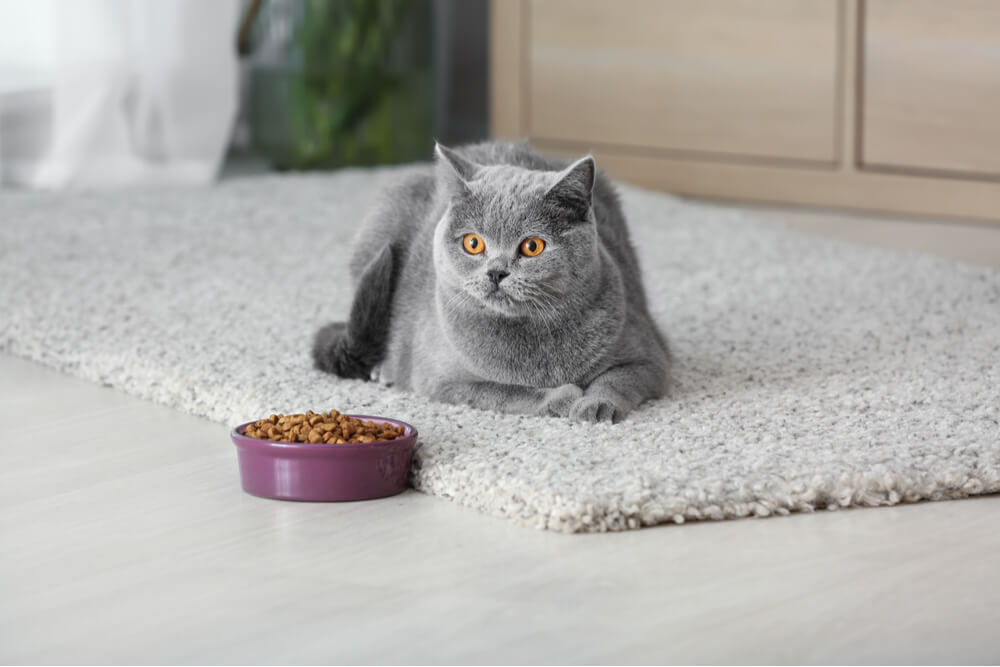
While inappetence is more often caused by health issues, cats may simply refuse to eat foods that are nutritionally inadequate or inappropriate.
Cats are obligate carnivores who must be fed a meat diet. They lack the ability to survive on a vegetarian diet. Giving your cat the wrong diet can affect digestion and cause poor appetite.
Cats and dogs have unique nutritional requirements; cats should not be fed dog food. The occasional venture into each other’s food bowls will not be harmful, but it should not be encouraged. Long-term feeding dog food to a cat can be dangerous as dog food is nutritionally incomplete for cats, lacking in unique vital amino acids they require.
Concerns with dry food? If dry food is part of their normal diet and your cat suddenly turns their nose away, the food might be stale, the bowl might be dirty, or they just got sick of it, wanting a novelty diet.
Foods with increased moisture content can be more palatable; adding water to dry food or using canned food may result in improved food intake.
Like all food avoidance, dry cat food avoidance could be linked to an underlying health problem. At the same time, something as simple as feeding a different-sized kibble with an odd texture can be enough to result in inappetence in some cats.
4. Feeding Adjustments
Swift changes in diet or feeding method can cause GI upsets or food refusal for some cats. Instead of making sudden changes in your cat’s diet, transition to new foods gradually over at least a week or longer.
5. Hunting Behaviour
When hunting, cats will seek small prey such as birds, insects, and mice. Just like their larger counterparts, cats may spend many hours stalking prey. Sometimes the reward is great, sometimes not. But unlike their larger counterparts, housecats have become adapted to regular, daily meals. Some cats may stop eating commercial food for periods of time when engaged in hunting. This can drain their energy reserves from roaming, stalking, and chasing prey.
6. Neophilia or Neophobia
Cats can show aversions to both too much and too little variety in their diet.
Cats display strong neophilic (novelty) behaviour. Studies of feeding behavior have demonstrated neophilia, in which cats may develop a growing aversion towards foods that have formed a large part of their diet, preferring to experience new or novel foods.
The majority of cats prefer to consume a variety of foods. Nevertheless, some cats will develop neophobic (dislike of unfamiliar) behaviour. Neophobic cats exhibit strong preferences likely influenced by early experiences and reinforced by owners feeding a continual diet. This can cause problems if switching to a new diet is necessary (such as due to a longterm diet not being available, need for a prescription diet, etc.)
7. Food Aversion
Food aversion is a situation in which cats develop a strong repulsion towards certain foods, usually associated with nausea, vomiting, gastrointestinal discomfort, or pain.
Food aversion is a protective mechanism preventing a cat from eating spoiled food or eating the same diet in the future.
At times, food aversion may be an inappropriate response. The pain, vomiting, or nausea in conjunction with distress may not always be caused by digested food itself. Nonetheless, the temporal association between the two often leads to the development of food aversion, causing problems in clinical patients.
For example, a cat with chronic kidney disease experiencing nausea from the condition may develop food aversion to a current diet. If a new diet is attempted, this may go well initially but recurring nausea from kidney disease may again lead to aversion towards the new food. Even if the cat is not nauseous every day or if the nausea is treated with medication, the cat will still associate the food with nausea and refuse it until something new is offered. This is the main reason why cats with kidney disease have notoriously picky appetites.
Food aversion is also linked with stressful experiences during travel, boarding, overcrowding, excessive handling, and hospitalization.
8. Environmental Stress
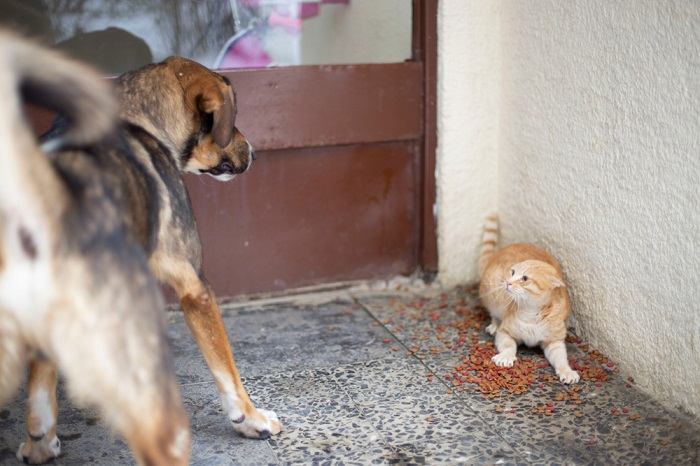
Environmental stressors may make your cat unwilling to eat. These stressors include eating too close to other pets or in busy parts of the home.
Stress, anxiety, and fear can alter a cat’s appetite, triggering either anorexia or sometimes overeating.
Eating near other cats can lead to anxiety accompanied by a range of behavioral consequences, including inappetence due to fear of proximity to an incompatible or unfamiliar cat.
The introduction of new food by itself can cause stress. This should be avoided especially in a tense environment where the individual cat may prefer food they are used to rather than a new one.
Rehoming of cats with strong nutritional preferences can cause a cat to stop eating altogether. You can minimize the risk of inappetence upon adoption by offering the same food the cat is used to gradually in parallel with new diet transition. When adopting a new cat, always check what diet they were previously being fed.
Cats do not react well to stressful negative associations with other pets. The same can be said for noisy or disruptive children in the home. Make sure the environment is filled with love, serenity, and safety, especially during mealtimes. You can also minimize stress through pheromone therapy.
In situations where a cat is experiencing anxiety compounded by unsuccessful attempts to alter the negative emotional situation, the cat may fall into behavioral depression, necessitating veterinary examination.
Prevent development of excessive anxiety and other uncomfortable feelings by acclimating kittens or cats to new people, noises, and places in a calm manner. Use positive reinforcement like praise, toys, treats, and massage.
Promote wellbeing by giving your cat the opportunity to establish social bonds and make decisions about their environment. Provide mental stimulation by means of positive experiences with interactive toys, new exploratory objects, hidden food, visual inspiration, and scratching posts.
When Should I Worry if I See My Cat Not Eating?
Food avoidance in a kitten younger than six weeks of age, for just 12 hours can pose a lethal danger whilst loss of appetite (whatever the cause) can have a serious impact on a cat’s health if it persists for more than 24 hours.
Starvation and dehydration will exacerbate pre-existing health conditions whereas prolonged periods of reduced calorie intake may result in the development of life-threatening conditions such as hepatic lipidosis.
If your cat is experiencing a period of anorexia for 12-24 hours, you can try some of the appetite stimualation strategies that follow. But if unsuccessful after a couple of attempts, it’s very important to get them in for an exam with your veterinarian.
How Can I Stimulate My Cat’s Appetite?
Once you’ve taken your cat to the vet and determined the cause of your cat’s inappetence, you may have to take steps to stimulate their appetite. Here are a few ways to encourage your cat to eat.
Ensure that your cat’s food is served the way your cat wants it.
Cats are fastidious, enjoying their food a certain way. They cabn also prefer bowls of certain types. Inspire your cat to eat by washing their bowls in hot soapy water at least once a day, make sure no food is stuck to the sides.
Make sure your cat’s food is palatable.
Increase food palatability by offering warmed nutrition plus food with high protein and/or fat content. Many cats are predisposed to certain food based on taste and odor combined with texture. Their preferences may be determined by previous negative or positive eating experiences.
Sometimes adding flavored water such as tuna juice or chicken broth, hand feeding, or gentle stroking can benefit your cat.
Feed moist rather than semi-moist or dry food including foods with strong (especially meat, fish, or cheese) odors. Offer small amounts of fresh food frequently then remove uneaten fresh food after 15-20 minutes to keep it from drying out or getting sour.
Try dietary supplements.
- Supplementation of probiotics and prebiotics aids digestion, helps with improved immune function, and can lower the risk of diarrhea.
- Dietary omega-3 fatty acids used for chronic inflammatory conditions such as osteoarthritis, neoplasia, and cardiovascular disease have been studied for the potential effects of appetite improvement.
- Provision of B vitamins is simple and should be considered for inappetent cats. B12 vitamins are particularly good for boosting appetite. They can be administered orally or via injection.
Appetite stimulant medication
- Appetite stimulants can be useful to increase food intake. There are a couple available to cats, including mirtazapine and Elura (capromorellin), which require prescriptions through your veterinarian. Their success can depend on the cause of anorexia. They rarely result in sufficient food intake in critically ill patients.
Appetite stimulants are most often used for a couple days to help a patient recover from a temporary illness, to counteract the effects of other needed medications impacting appetite, or for palliative use when we’re trying to keep an ailing cat as comfortable as possible.
What about force-feeding my cat?
Forcing your cat to eat can be an understandable desire and may seem like a good strategy.
However, syringe feeding to a nauseous cat is unpleasant, not tolerated well, stressful, furthermore unlikely to meet nutritional needs.
Force-feeding cats whilst they are sick can cause long term food aversion and should be avoided.
If force-feeding food seems like the best resort, it’s better to schedule a visit with your vet to determine the cause of your kitty’s poor appetite.
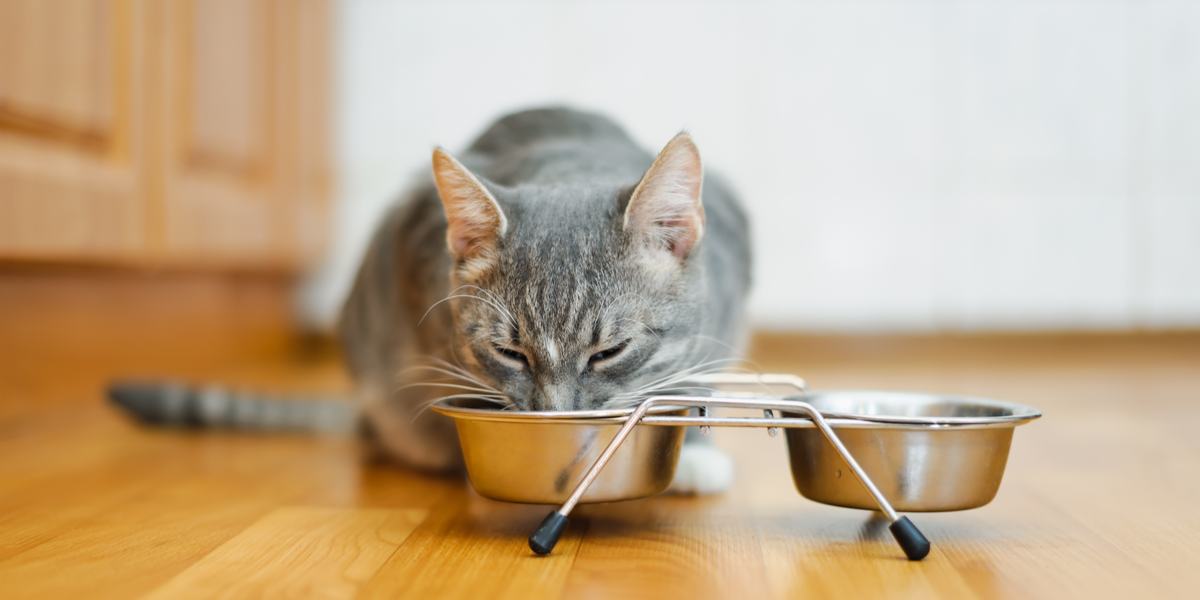
Increase food palatability by offering warmed nutrition plus food with high protein and/or fat content.
Cat owners play a vital role in monitoring behaviors associated with loss of appetite and need to be aware of when anorexia is a medical concern requiring veterinary care.
A cat presenting with anorexia and fatigue may have an underlying medical problem or may simply be stressed by environmental changes.
A species-appropriate diet, positive experiences, and environmental enrichment all play a massive role in maintaining great physical health and emotional wellbeing in a cat.
-
Davies, J. (2016, April 25). Cat friendly hospitalisation made easy. International Cat Care. Retrieved July 14, 2020
-
Dorey-Philips, C. (n.d.). How to nurse the painful cat. UK: International Cat Care. Retrieved July 16, 2020
-
Heath, I. R. (2016). Feline Behavioral Health and Welfare. St Louis, MO: Elsevier. Retrieved July 15, 2020
-
Korman, R. (2015, January). Management of anorexia 2: feeding tubes. UK: International Cat Care. Retrieved July 28, 2019
-
P Jane Armstrong, K. L. (2010). Introduction to Feeding Normal Cats. In Small Animal Clinical Nutrition Book (p. 365 and 386). Mark Morris Institute. Retrieved July 14, 2020
-
Practitioners, A. A. (n.d.). Senior Care Brochure. (P. P. Plan, Compiler) USA. Retrieved July 15, 2019
-
Purina, N. (2018). Feline nutritional peculiarities in health and disease. (N. Purina, Compiler) United States. Retrieved July 02, 2019
-
Rachel Korman, W. A. (2014, October). Management of anorexia 1: nursing and appetite stimulation. UK: International Cat Care. Retrieved July 29, 2019
-
Rodan, J. P. (2018). Friends for Life Caring for your older cat. US. Retrieved July 16, 2020, from American Association of Feline Practitioners.
-
Sparkes, D. S. (2016). ISFM Guide to Feline Stress and Health; Managing negative emotions to improve feline health and wellbeing. Tisbury, Wiltshire, UK: International Cat Care. Retrieved July 17, 2020
-
Wilson, J. (2017, June 20). Loss of Appetite in Cats – Causes, Symptoms & Treatment. Retrieved 31 July, 2019, from cat-world: https://www.cat-world.com.au/anorexia-loss-of-appetite-in-cats.html


It’s quite alarming to see how serious a change in appetite can be if it’s accompanied by things like reduced activity. Initially, my cat was always a jumpy and energetic little fellow that we loved playing with, but he’s been running around and eating less and less nowadays. I’ll take this as a sign that I need to find an animal clinic in the area that can help me figure out what’s wrong with him.
Thank you for your comment Afton. Agree, if the appetite change is accompanied by other symptoms, you should take your cat to a veterinarian, wishing you both good health.