
 Last updated Nov 30, 2025


Do you commonly wonder why you have a thin cat? Part of responsible pet ownership is making sure our cats are a healthy size and weight for their age and breed. After all, we all want our pets to be happy and healthy.
Keeping a close eye on your cat’s body condition is a good habit to get into. Doing so will allow you to detect any health issues early on. It is often easy to spot an overweight cat, but would you know what to do if your cat is looking a bit bony around the hips?
Weight loss can be caused by many factors. These include diet, anxiety, intestinal parasites, and a multitude of diseases. It is more commonly a problem in older cats, but keeping a watch on your cat’s waistline is a good idea at any age.
Healthy Weight for Cats
There is no specific ‘correct’ weight for cats, as it varies with age, breed, sex, and size. The best way to judge whether your cat is a healthy weight is to pay attention to their overall condition.
Judging a cat’s body condition should be done by gentle touch, as looking at them from afar can be inaccurate due to their fur getting in the way. Checking their condition can be done regularly, perhaps as part of a grooming regime. This means that you will notice quickly if your cat starts to lose weight.
At an ideal weight, the cat’s ribs will not be visible but will be easily felt. They will have an obvious ‘waist’, or tummy tuck, and only a small amount of tummy fat. An underweight cat will have more prominent bones, especially the ribs, hips, and vertebrae around their back end. They will have a very prominent pinched-in waist. You may be able to see your cat’s spine if they are very underweight.
The World Small Animal Veterinary Association (WSAVA) has published a useful guide for body condition scoring in cats. You can also utilize Cats.com’s weight calculator tool for cats to give yourself an idea if your cat is overweight, underweight, or ideal.
If you’re concerned about your cat’s weight, you can also get into the habit of weighing them frequently. An easy way to do this is to weigh yourself, then weigh yourself again while holding your cat. Your weight can then be subtracted from the combined weight, leaving the cat’s weight. Be aware, small changes to a cat’s weight can be significant due to their small size (even just 1/4 of a pound!), so accurate scales are needed.
If your cat is losing weight, seek advice from a vet. Any weight loss may be significant, and worthy of investigation. Watch out for other symptoms, such as a change in appetite or thirst, altered urination, and any episodes of vomit or diarrhea.
Why Cats Become Thin
There are many reasons why your cat may be looking thin around the back end, some more serious than others. Many of these causes are health concerns that likely require an exam with a veterinarian.
1. Breed
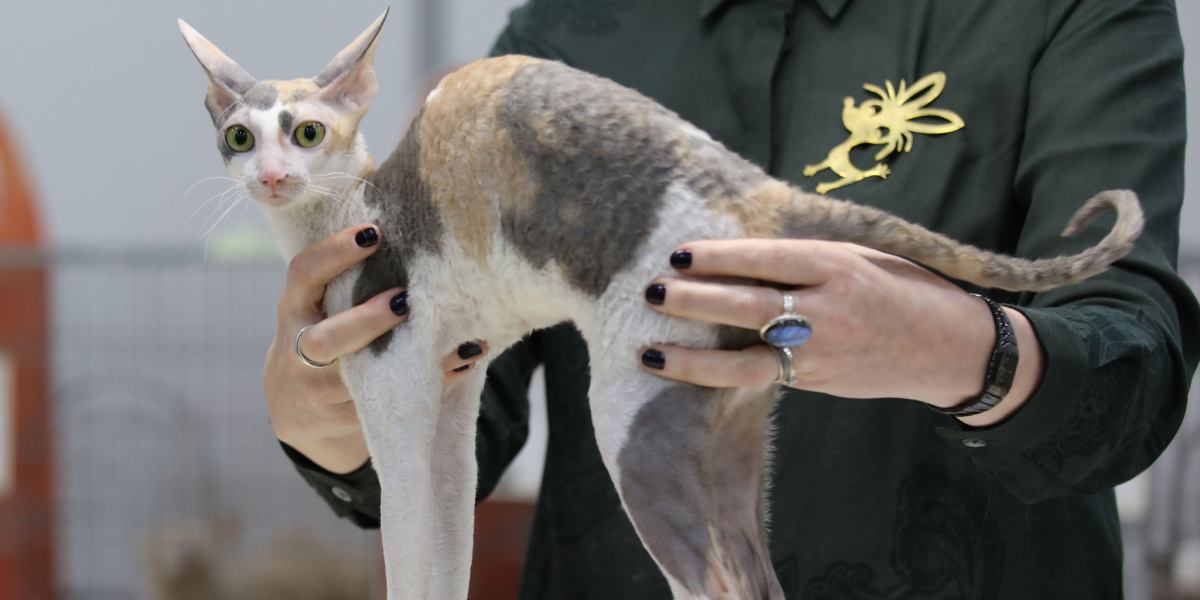
If your cat looks thinner around the back but they are not losing weight, it may be due to their breed. Some cat breeds, such as the Devon Rex, Cornish Rex, and Russian Blue are known for their slender physique and prominent bony landmarks.
These breeds can still become underweight, and should still maintain a healthy condition. If you are concerned about their weight then seek advice from a veterinary professional.
2. Age
Age can cause a lot of changes to a cat’s physical condition. Often, muscle mass is lost due to age, changing both their weight and looks. This is normal when muscle loss is very slight and gradual over several years. But if your cat is losing a 1/4lb or more per month on average, this kind of steady progressive weight loss is always abnormal. Never chalk up progressive thinning of muscle and weight loss to a cat “always being thin” or to old age.
There may be an underlying issue if a cat’s shape changes, such as painful arthritis causing an inability to exercise, or dental pain causing a loss of appetite. Older cats are also more prone to some diseases, such as overactive thyroid glands and kidney disease.
3. Diet
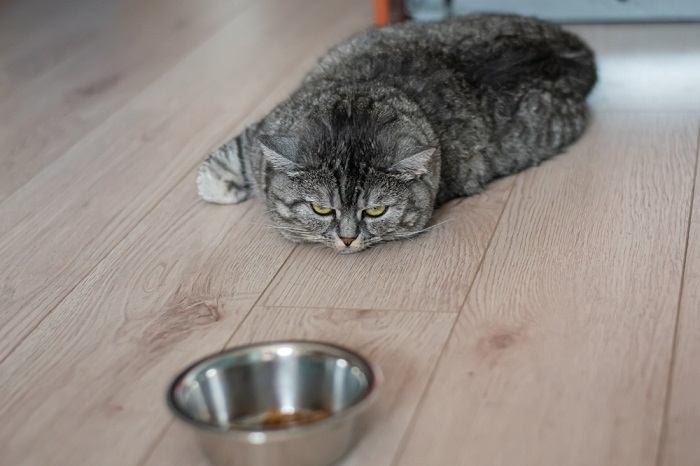
Pay attention to changes in your cat’s eating habits if you start to notice weight loss.
Cats can lose weight around their back end if they are simply not getting enough calories. This may be due to a change in diet, a lack of protein, or another pet preventing them from accessing the food bowl.
Cats can be fed wet food, dry food, or a combination of the two, but it is important that they receive a complete and balanced diet appropriate for their lifestyle and age. Cats are carnivores and rely on adequate amounts of high-quality animal protein for optimal nutrition.
4. Stress
Anxiety, depression, and stress can all contribute to poor body conditions in cats. Stressed cats may hide away, succumb to lethargy and lose their appetite.
Anxiety can be caused by many factors, including a change in environment, a new pet or family member, or loud noises such as construction. If you notice changes in your cat’s behavior, especially their feeding behavior, alongside weight changes, speak to a veterinarian. A board certified veterinary behaviorist is another option too. This is a veterinarian who has completed specialized training focused on behavioral patterns and therapies for animals.
5. Intestinal Parasites
Intestinal parasites, such as tapeworms, roundworms, and hookworms can cause a gradual loss of condition in cats. This may be accompanied by an increased appetite and a distended abdomen. You may see worms, or worm eggs in your cat’s feces, but it is possible for your cat’s small intestines to contain worms without seeing any in the poop. A veterinarian will be able to examine your cat’s feces for microscopic evidence of worms and eggs and treat your cat accordingly.
6. Illness
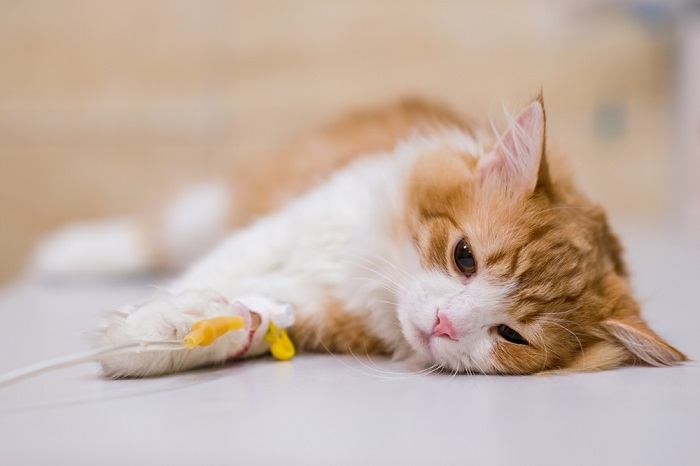
Weight loss can be a sign of serious illness in a cat.
There is a multitude of illnesses and diseases that can cause weight loss in your cat. This will generally lead to them looking thin around the back end.
Diabetes mellitus is an insulin disorder in cats that causes weight loss alongside increased thirst and urination. Cats with this condition will have a poor appetite and can present in a diabetic crisis if their glucose levels aren’t corrected, with acute vomiting and lethargy.
Hyperthyroidism is caused by an excess of circulating thyroid hormone, leading to weight loss despite a ravenous appetite. These cats also often present with increased thirst and urination and some degree of hyperactivity or hypervigilance leading to behavioral changes.
Gastrointestinal disorders such as food allergies, inflammatory bowel disease (IBD), infections, or tumors such as lymphoma can all present with weight loss as a major symptom. You may see other digestive signs such as appetite change, vomiting, or diarrhea.
Feline viral diseases such as feline immunodeficiency virus (FIV), cancers, kidney disease, and liver disease can all cause cats to lose condition, often before any other symptoms present.
What To Do When Your Cat Has Lost Weight
If you notice your cat looking thin around the back end, the best thing to do is to book an appointment with a vet. Any degree of weight loss in a cat is a concern, and if there is any underlying illness it is best diagnosed and treated early.
Make note of anything relevant to tell your vet – any dietary change, any supplements or medications (such as anti-parasite treatment), or any other symptoms or changes in your household. The vet will be able to perform a full physical examination and run any laboratory tests that may be necessary.
Thin Cats: Final Thoughts
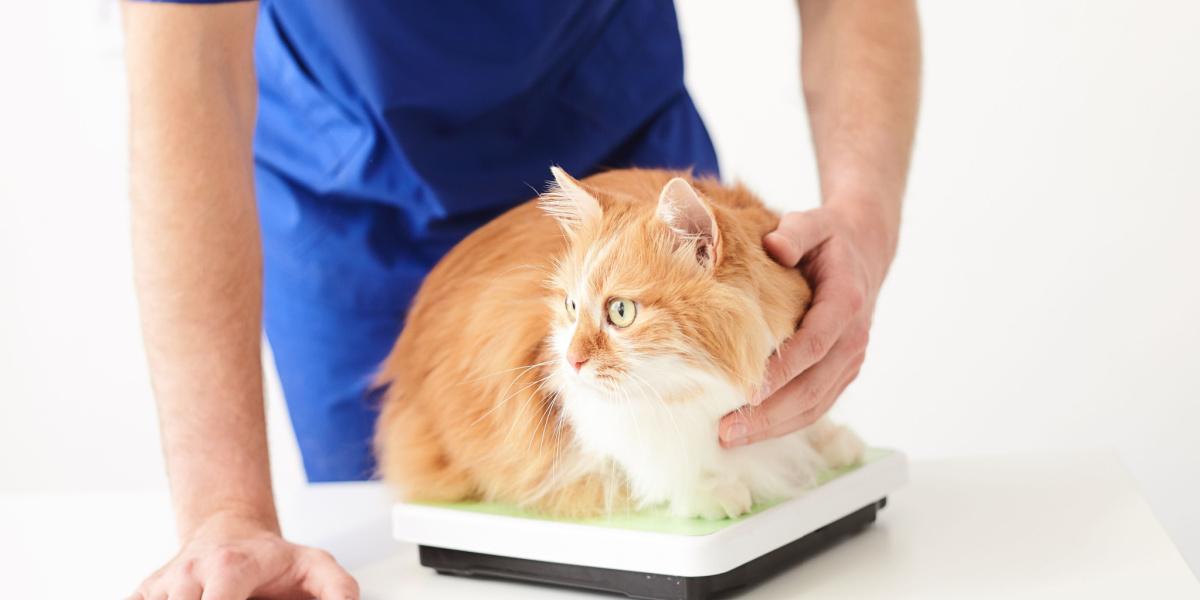
Keeping an eye on your cat’s weight is the best way to detect any health problem associated with weight loss early on.
It can be difficult to assess a cat’s weight, especially if they have a thick fur coat. Checking your cat’s body condition regularly will allow an accurate assessment of their health. Look for changes such as thinning around the back end. There are many causes of weight loss in cats. A trip to the vet is usually needed to determine the cause and treatment approaches.
Also Read: The Complete Guide To Feline Nutrition