 Last updated Aug 30, 2025




Kirsten McCarthy / Cats.com
Cat owners know bringing a new cat home is thrilling. However, adjusting to a new environment can be hard for cats, so how can we help a cat feel safe?
Moving to a new environment can be a highly stressful experience for cats, which are territorial animals and love routine. To help your cat feel secure and comfortable, provide safe spaces, well-placed and plentiful resources, pheromones, gradual introductions, and enrichment. If your cat is very scared or stressed, seek professional advice from a veterinarian or behaviorist.Key Takeaways
There are many ways we can help a scared cat feel more comfortable in their new surroundings, from providing hiding places to pheromone sprays, and considering your home’s vertical space to where you place the water bowls. Read on for our 10 simple steps for a calmer, more comfortable cat.
Why Might My Cat Not Feel Safe?
We think of our homes as safe spaces. Houses are protected from the elements, warm, and full of our possessions and our family. But do cats feel the same way? Why might a cat not feel safe in a house?
Cats might have been domesticated thousands of years ago, but they still have some of the traits instilled by their wilder ancestors. They are highly territorial, and therefore being moved into a completely novel environment can be a scary experience.
Cats also rely highly on their senses, and it can take time for them to adapt to the scents and sounds of their new home. Some cats, especially rescues or stray cats, might have had a difficult start to life and find adjusting to a domestic environment even more of a stretch.
Add in other pets, people, noises, and the business of general life and you can begin to see some of the stressors that face new pets.
Signs of Stress in Cats
All pet parents want their animals to feel calm, secure, and happy. Our cats can’t tell us if they’re finding life hard, but they can certainly show us.
Here are some top signs of stress in cats:
- Excessive meowing or vocalizations
- Fearful body language: cowering, puffed up fur, wide eyes, swishing tail, hunched posture
- Hiding away
- Toileting outside the litter box
- Scratching at unsuitable surfaces
- Hissing, scratching, biting
How to Make a Cat Feel Safe
As a veterinarian, cat lover, and cat parent to a very shy cat myself, here are my top tips to provide everything you need to help your new cat settle in and feel safe.
1. Be Prepared
Have a safe room set up for your new cat, complete with all their needs and resources, before you even bring your new pet home. You don’t want to be rearranging furniture to fit in a litter box, or dashing out to purchase new food bowls when your cat is already trying to settle in. Check out our 25 tips for new cat owners to make sure you have everything ready.
2. Give Them Their Own Space
Cats are territorial, and it can be very stressful for them to be placed in a novel area, with no familiar scents or locations. Providing them with a safe place that they can call their own is essential for them to feel secure in their environment. This might be a room, a cozy den, or a sheltered corner in which they can be alone and comfortable.
3. Hiding Places and Perches
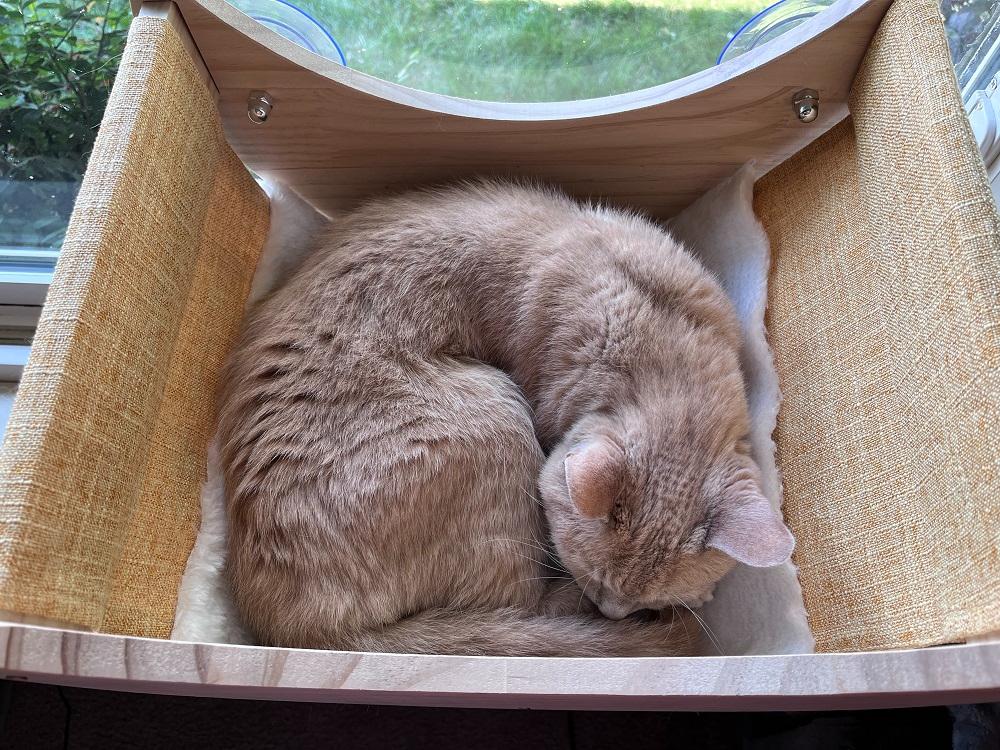
Katelynn Sobus / Cats.com
When cats feel frightened, unsure, or unsafe, they often like to retreat to a safe space. For a cat, height means safety, as they can get away from predators and observe the world from a good viewpoint. Having some perches, cat trees or shelves that are accessible to your cat and up high will encourage feelings of security.
Plenty of hiding places around the home, such as a cat bed or even a cardboard box, positioned in quiet places, are useful as retreats if it all gets too much. Having the opportunity to hide has been proven to reduce stress in cats.
4. Resources
Most pet parents know what to provide for their cats: food, water, litter trays, beds, toys, and all the essentials of cat ownership. However, putting some thought into the placement and availability of these resources can have a huge effect on your cat’s perception of their environment and their feelings of safety and security.
Cat food, for example, should be placed in a wide, shallow dish so that the cat’s whiskers don’t touch the sides. Food and water shouldn’t be placed too close together, and the bowls should be positioned so that your cat doesn’t have to turn their back on the world to eat, which can make them feel vulnerable.
Offer multiple litter boxes, in different, quiet locations. The litter boxes shouldn’t be close to food and water sources. Read about optimal litter box placement to learn more.
If you have multiple cats, make sure access to resources such as food, water, and litter trays are not being restricted by the other cats, and that there are plenty of each to go around.
5. Scratching
Cats have an innate need to scratch and use it as a form of communication as well as a tool to sharpen their claws. Provide scratching posts in high-visibility areas to make sure your cat has access—and to save your furniture and carpets. Being able to leave themselves messages via their scratching will help your cat feel at home.
6. Routine
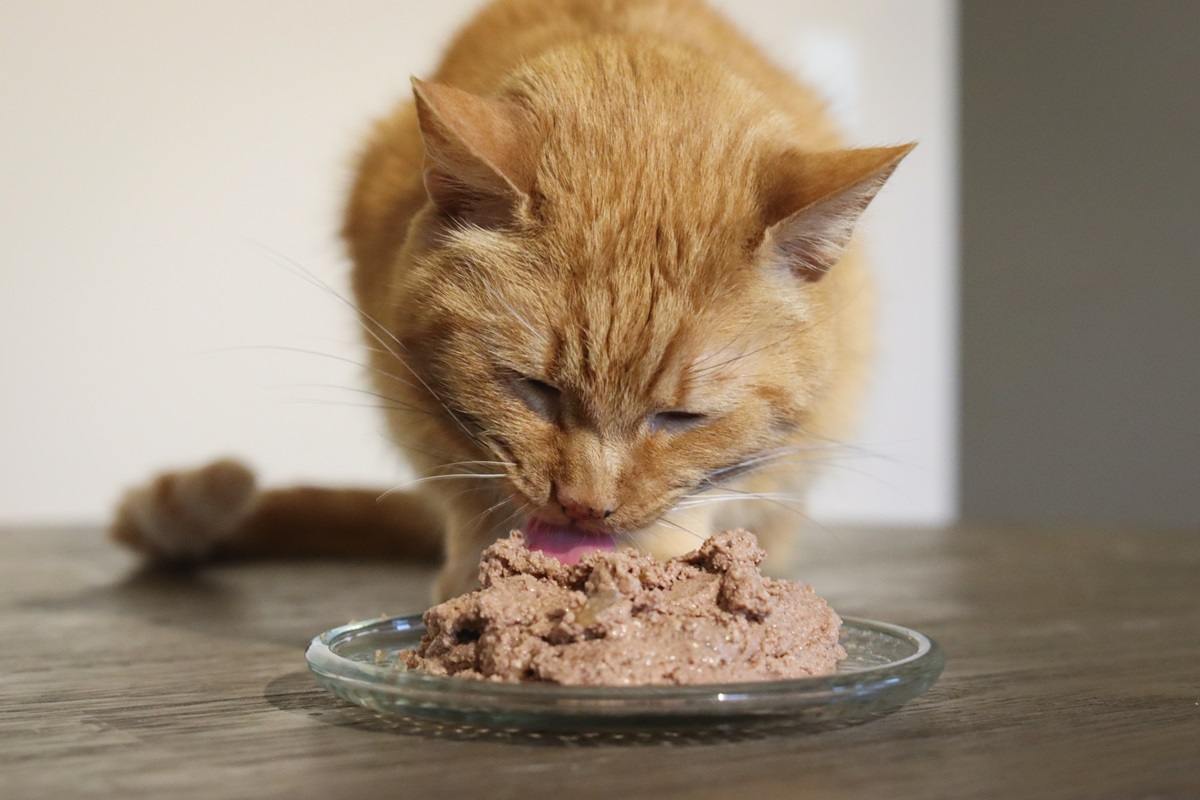
Knowing what to expect each day is comforting to cats. Kirsten McCarthy / Cats.com
Cats love a routine! They love things being familiar and predictable, for things to always happen in the same way at the same time. Try and establish a routine with your cat: feeding, grooming, and playtime can all be scheduled so that your cat always knows what is happening and what is coming next, which in turn helps them feel secure.
7. Other Pets and People
The last thing you or your cat needs is conflict, fear, and uncertainty. If you have a busy household, with multiple people or pets, take introductions gradually, always allowing them to retreat to a safe space when needed.
This will help your cat not to feel overwhelmed, and leads to the best chance of close relationships within the home. Check out our resources on introducing an older cat to a kitten and getting cats and dogs to bond.
8. Enrichment
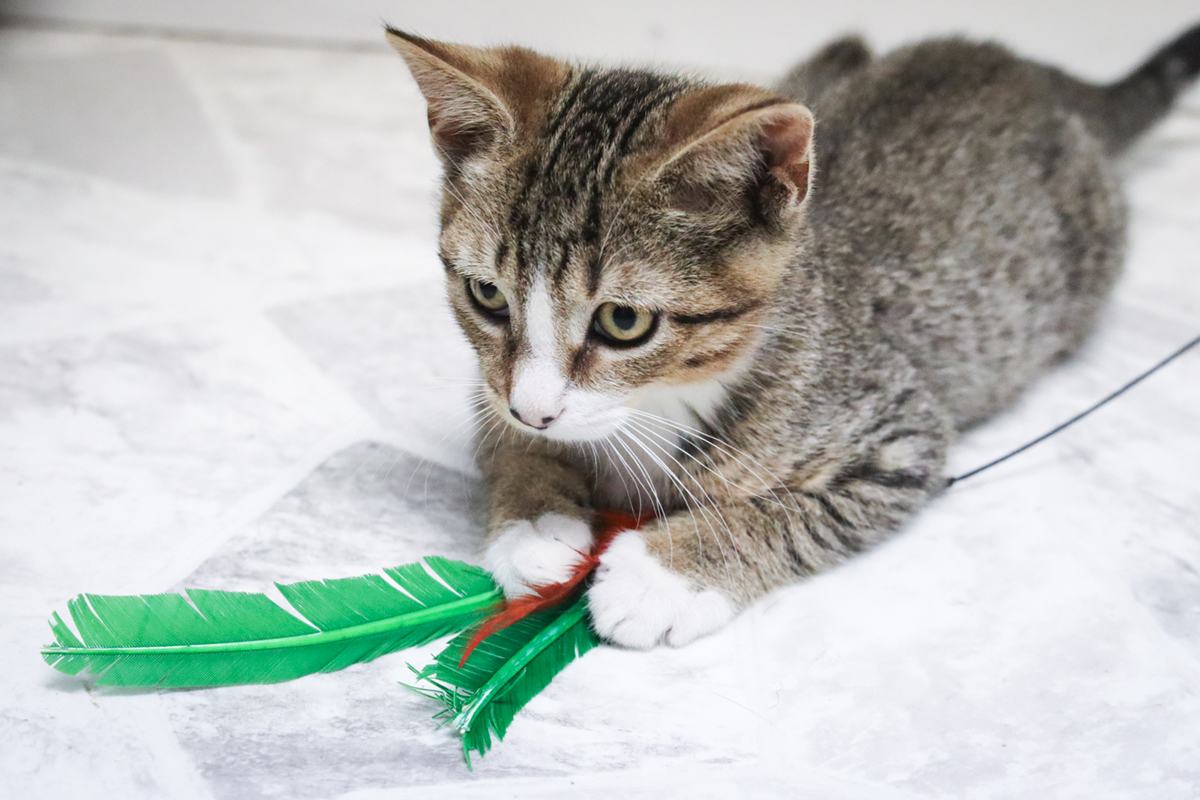
Providing both mental and physical stimulation in the form of enrichment can reduce stress in cats, and help them to bond with you as well as feel more comfortable in their home environment. Don’t introduce new things all at once, but resources such as toys, puzzle feeders, catnip, and interactive games can all work at keeping your cat engaged and occupied.
Strengthening the cat-owner bond is important both for a fulfilling relationship and also to help your cat feel safe and comfortable in their home.
9. Pheromones

Cat pheromone diffusers or sprays work to help cats feel calmer and more at ease. Kirsten McCarthy / Cats.com
Cats use pheromones (chemical messages) to communicate, both with themselves and with other cats. They can leave markers to themselves to designate friends, or to warn of dangers. They can communicate their presence and territory boundaries to other cats. Cats rely on pheromones as an important part of their communication strategy.
Synthetic cat pheromones, such as Feliway, can be brought into the home via sprays or diffusers, giving off comforting and reassuring messages about your cat’s new environment. They can help your cat feel more at ease with their surroundings, and more secure in their new home.
10. Seek Professional Help
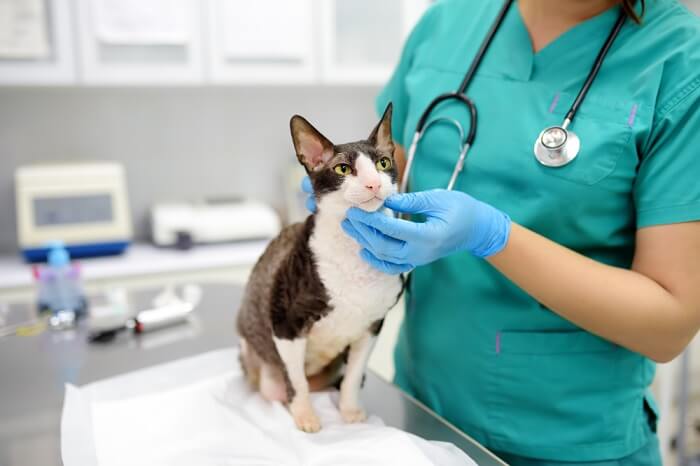
We should always be on the lookout for signs of stress or ill health in our pets. Some symptoms of stress, such as aggression, vocalization, inappropriate toileting, and hiding away, can also be signs of illness or disease, such as:
If you’re concerned about your cat, a checkup with a veterinarian is always a good step. If medical causes are ruled out, but you and your cat are still finding it hard to manage stressors, then the next step is to involve a behaviorist, who can provide expert help. Always choose a certified cat behaviorist consultant, and be aware that behavioral issues can take time and patience to resolve.
Making a Cat Feel Safe: Final Thoughts
We all want to give our beloved pets a home that is comfortable and secure for them. It can take some adjusting and time for a cat to feel safe in a new environment, but there are ways to help smooth this transition for them.
Providing them with safe spaces such as hiding places and perches, making sure their key resources are plentiful and well-placed, and using scratching posts, pheromones, and enrichment to reduce stress will all help. If you’re concerned about your cat’s well-being, health, or behavior, contact your veterinarian.
Frequently Asked Questions
How do you make a scared cat feel safe?
Cats are territorial and like routine. Provide a safe area for them, a quiet place with plenty of hiding places, high perches, and easy access to resources such as food, water, and a litter tray. Synthetic pheromones can provide extra reassurance.
How do you know if a cat feels safe?
Cats that feel secure will show relaxed body language, such as an upright tail, stretched posture, and slow blinks. They will engage with their owners in play and attention, eat well, toilet appropriately, and not excessively vocalize or hide.
How long does it take for a cat to feel safe?
Cats often follow a rule of three: the first three days they might seem scared and stressed, within three weeks they have settled in, and by three months they are happy, content, and secure.
How do you help an insecure cat?
Some cats find it harder to feel safe and secure than others. Provide plenty of quiet hiding places and high perches, use pheromones, ensure easy access to resources, and build relationships with new people and pets slowly and calmly. Some cats might need expert input from a veterinary behaviorist.